 English
 Deutsch
 Français
 Nederlands
 Español


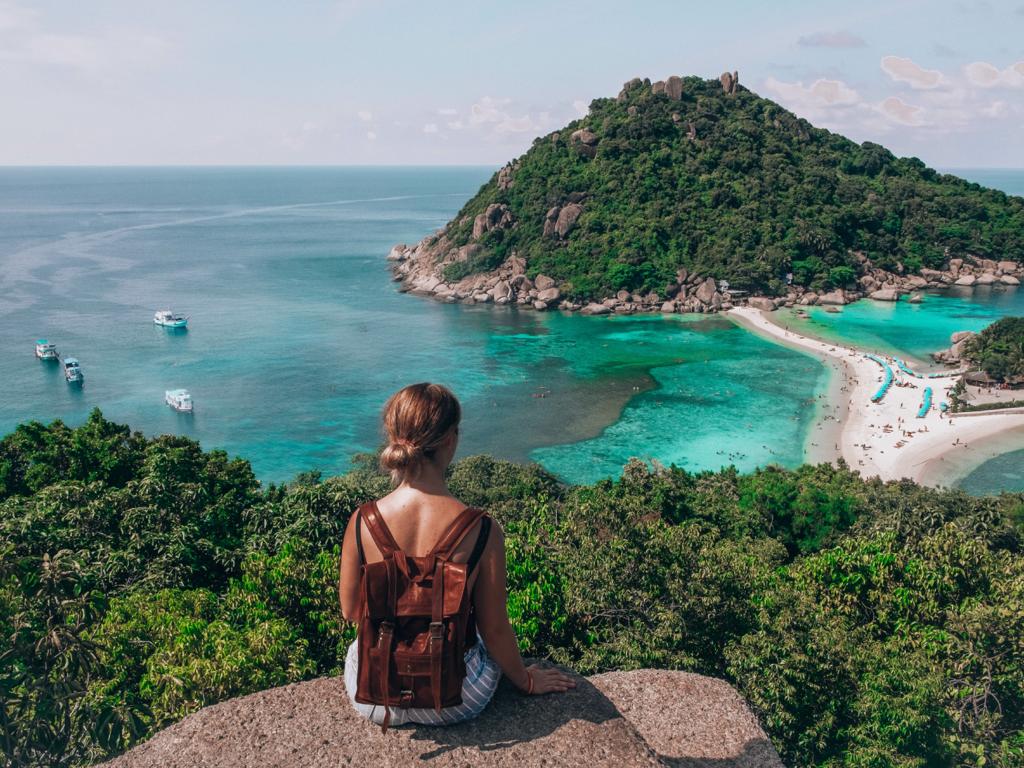


Reset. Heal. Grow.
Desperate for Relief: When Plant Medicine Enters the Conversation
You know the feeling. It's 2 a.m. and you're back on Reddit, scrolling through threads with titles like desperate for relief, reading strangers describe the exact loop you're in. Depression that won't budge. A drinking habit that's stopped being fun years ago. Anxiety that shows up like a houseguest who never leaves. Somewhere in that scroll, someone mentions ayahuasca. Or psilocybin. Or ibogaine. And suddenly you're seven tabs deep on Peruvian retreat centers, wondering if this is the thing. I've sat in enough ceremonies, and interviewed enough facilitators and participants, to know that the people who show up at plant medicine retreats are rarely there on a whim. They're usually at the end of something — a long fight with addiction, a decade of antidepressants that took the edge off but never lifted the fog, a grief that talk therapy circled but couldn't touch. So let's talk honestly about what plant medicine can and can't do when you've hit that wall. The shortlist of reasons is remarkably consistent across everyone I've spoken to. Depression that antidepressants only partially addressed. Alcohol or opioid dependence that outlasted rehab and relapse cycles. Trauma — often childhood, often unnamed — that keeps rewiring the nervous system in the present. And a category that's harder to pin down: the sense that you're living someone else's life and can't find the door out. Ayahuasca, the Amazonian brew made from the Banisteriopsis caapi vine and chacruna leaves, has drawn attention because its effects tend to feel meaningful rather than merely intense. People describe watching their addictions from the outside. Meeting the child version of themselves. Seeing patterns they've been running for thirty years spelled out in a single night. Whether you frame that as a mystical encounter or the brain doing an unusual housekeeping pass, the reports are consistent enough to take seriously. Psilocybin has similar reports and now has clinical data behind it — trials at Johns Hopkins, Imperial College London, and NYU have shown durable reductions in depression and end-of-life anxiety after just one or two guided sessions. Ibogaine, harder to access and considerably higher-risk medically, has one of the most striking track records for interrupting opioid dependence specifically. These are not miracle cures. But they are real tools, and the research world has finally started catching up to what indigenous traditions have known for centuries. In the Amazonian tradition, the phrase master plants refers to specific plants — ayahuasca, tobacco (mapacho), chacruna, chiric sanango, bobinsana, ajo sacha, and others — that are considered teachers rather than substances. That's not a marketing line. It's a working framework used by curanderos who spend decades in relationship with these plants through long solitary dietas, and it changes how the medicine is used. When you approach ayahuasca as a teacher rather than a drug, a few things shift. You prepare differently — dietary restrictions, quieting down, setting an intention that's honest rather than performative. You show up with humility instead of expectation. And you understand that the ceremony itself is maybe 20% of the work. The other 80% happens in the weeks and months after, when you have to actually live differently. People who show up to a retreat expecting to be fixed usually leave disappointed. People who show up ready to be shown what needs changing — and to do the changing themselves — tend to have a different report. This is the question I get asked most. The short answer: sometimes, yes, and in ways that surprise people who've cycled through conventional treatment. The longer answer is more useful. Ibogaine, derived from the West African iboga root, has the most striking effect on opioid withdrawal specifically. A single session can drastically reduce or eliminate acute withdrawal symptoms and, more importantly, seems to interrupt the compulsive craving loop for weeks or months afterward — enough time to actually build a new life scaffolding. But ibogaine has real cardiac risks. It's illegal in the U.S., legal in Mexico and a handful of other countries, and should never be taken without proper medical screening and cardiac monitoring. This is not a substance for basement experimentation. Ayahuasca has a longer, softer track record with addiction. The Brazilian churches União do Vegetal and Santo Daime have used it ceremonially for decades, and observational studies of their members show notably lower rates of substance abuse. For alcohol, cocaine, and food-related compulsions, ayahuasca seems to work less by neurochemical interruption and more by giving people an unflinching look at why they're using in the first place. Psilocybin trials at Johns Hopkins showed strong smoking cessation results — around 80% abstinence at six months in an early study, which is remarkable considering nicotine's grip. Alcohol trials have shown promise too. None of these replace the boring, essential work of building a life you don't need to escape from. They can open a door. You still have to walk through it. Forget the Instagram version. A legitimate ayahuasca retreat is not luxurious. You'll likely be sleeping in a simple room or shared cabin. You'll eat plain food — no salt, no sugar, no pork, no fermented anything, often no oil — for days before and after ceremonies. You'll be asked to abstain from sex, alcohol, and most medications well in advance. The ceremony itself happens at night, in a maloca or ceremony space, usually four to six hours of lying on a mat with a bucket beside you (purging is common and considered part of the process), while a curandero sings icaros — the medicine songs that shape the journey. You will probably feel physically awful at some point. You will probably feel emotionally exposed. You may have moments of terror, moments of grief that surface from nowhere, moments of overwhelming tenderness. The next morning you'll eat breakfast with the other participants and try to make sense of what just happened. Then, often that same night or the next, you do it again. A good retreat includes integration work — group sharing, one-on-one time with facilitators, guidance on what to do when you go home. A mediocre one just runs ceremonies and sends you off. The difference between the two is enormous, and it shows up months later in whether the experience becomes a turning point or just an intense memory. The plant medicine space has genuinely wise practitioners and genuinely careless ones, and the marketing looks similar from the outside. Some things worth vetting before you send anyone money: Trust your gut on the intake conversation. If a place makes you feel like a transaction, you already have your answer. Here's what surprised me most from the retreat participants I've followed up with over the years: the ceremony is often the easy part. The hard part is coming home. You return to the same job, the same relationships, the same triggers, and now you have a felt sense of what needs to change — which is not the same as knowing how to change it. Integration is where most of the healing actually happens or doesn't. That might mean therapy — ideally with someone psychedelic-informed. It might mean daily practices: journaling, meditation, breathwork, time in nature. It might mean hard conversations you've been avoiding for a decade. Whatever it is, budget for it. If you can spend three thousand dollars on a retreat, you can spend some of that on the six months of work that follow. Plant medicine is not a shortcut. It's more like a sudden clearing of the map. Where you walk from there is still up to you, and the walking still takes time. If you've read this far, you're probably not asking whether plant medicine is real — you're asking whether it's for you, and whether now is the time. That's a question only you can answer, ideally with input from a therapist or doctor who knows your history. For those who want to look at what's actually available, a curated selection of ayahuasca and psychedelic retreats can be browsed on our marketplace here. Take your time with the decision. The medicine will wait.
How Much More Research Do Psychedelics Actually Need Before We Trust Them?
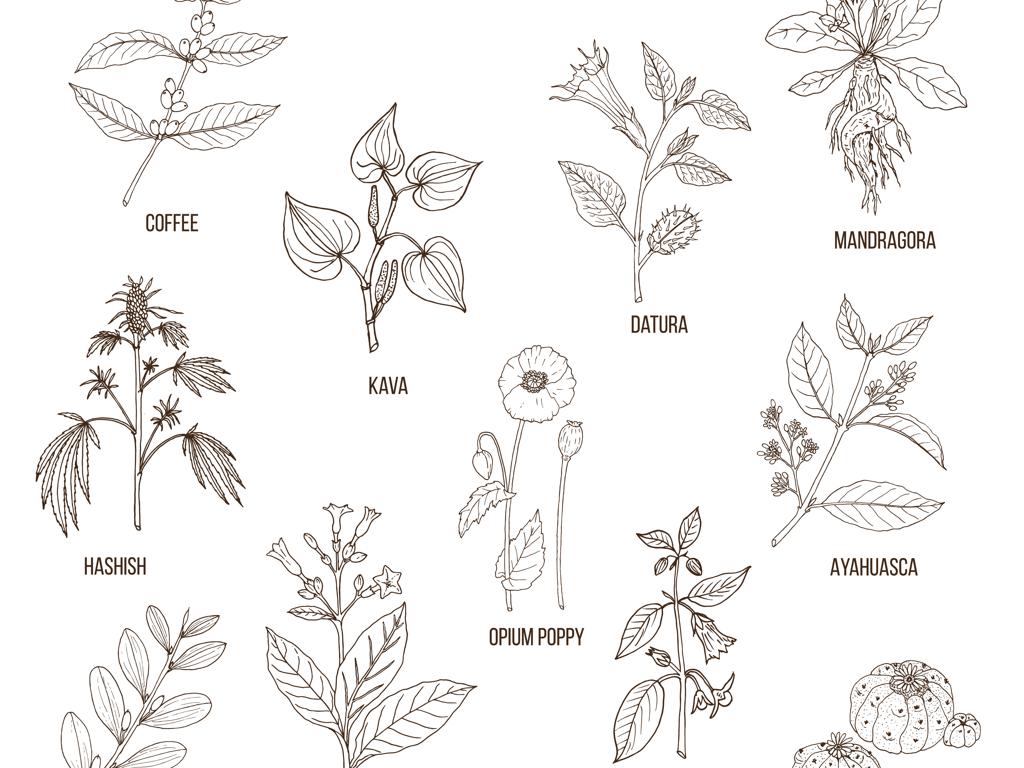
Somewhere on the internet right now, someone is asking the same tired question: how many more decades of research do we need before psychedelics get treated like real medicine? It's a fair question. It's also a frustrating one, because the answer isn't as simple as the loudest voices on either side want it to be. The science on ayahuasca, psilocybin, ibogaine and the rest of the master plants has moved faster in the last ten years than in the previous fifty combined — and yet the gap between what researchers know and what regulators are willing to say out loud is still wide enough to drive a truck through. If you're reading this, you're probably not a policy wonk. You're someone considering a psychedelic retreat, maybe for depression, maybe for addiction, maybe for a life pattern you can't seem to shake. You want to know whether the evidence backs up the stories your friend won't stop telling you. Let's actually look at that. The short version: the evidence base is now serious. Not perfect, not universal, but serious. Johns Hopkins, Imperial College London, NYU, MAPS, and a dozen other institutions have run controlled trials on psilocybin for depression and end-of-life anxiety, MDMA for PTSD, and ayahuasca for treatment-resistant depression. Effect sizes in some of these studies are larger than anything conventional psychiatry has produced in decades. That's not marketing language — that's what the peer-reviewed papers say when you actually read them. Ibogaine, the West African root that's become a last-resort tool for opioid dependence, has a smaller but striking dataset. Observational studies from clinics in Mexico and New Zealand show meaningful reductions in withdrawal symptoms and craving after a single session. It's not a miracle cure — people have died from it when it's administered without proper cardiac screening — but the signal is real enough that Kentucky and Ohio have both floated public funding for ibogaine research aimed at the opioid crisis. Ayahuasca has been studied a bit differently, partly because it's harder to fit a jungle brew into a double-blind trial. Long-term ceremonial users show lower rates of addiction and depression than matched controls. Brain imaging shows changes in the default mode network — the same system implicated in rumination, self-criticism, and the mental loops that keep people stuck. The mechanism is becoming clearer. The bigger question is what to do with that clarity. Here's the thing about the more-research-please refrain: it's true and it's a stall tactic at the same time. Every drug in the pharmacopoeia would benefit from more research. That's just how science works. But when the standard applied to psychedelics is dramatically higher than the standard applied to, say, a new SSRI with a modest effect size and a decade of side-effect complaints, something else is going on. Part of it is genuine caution. Psychedelics are powerful. They can destabilize people with certain psychiatric histories. They interact badly with common medications, particularly SSRIs and MAOIs. A bad ayahuasca experience in the wrong setting can leave someone worse off, not better. Anyone who's spent time around ceremonies has seen this happen. Caution is warranted. Part of it, though, is political inertia. The Nixon-era scheduling of psychedelics was never really about the science — it was about the culture. Undoing that has taken fifty years and it's still not finished. So while the FDA edges toward possible approval of MDMA and psilocybin-assisted therapy, most people who want to work with plant medicine right now still travel to a legal jurisdiction and do it at a retreat. That's the practical reality. You don't need to wait for the FDA to give you permission to make an informed choice about your own healing. But you do need to be honest with yourself about a few things. This is where things get specific, and where a lot of retreat marketing gets vague. The medicines aren't interchangeable. If your central issue is opioid or alcohol dependence, ibogaine has a documented track record that ayahuasca doesn't quite match, though ayahuasca has helped many people with the psychological patterns underneath addiction. If you're working with trauma or long-term depression, psilocybin and ayahuasca both have strong cases behind them, with somewhat different textures — psilocybin tends to be shorter and more emotionally direct, ayahuasca longer and more mythic. San Pedro (huachuma) sits in a gentler register. People often describe it as more heart-opening and less confrontational than ayahuasca, better suited to grief and self-worth work than to hardcore trauma processing. Kambo, the frog secretion from the Amazon, isn't psychoactive at all but has a growing following for its detoxifying and clarifying effects — often used as a preparation for deeper plant medicine work rather than a standalone. None of this maps cleanly onto Western diagnostic categories, which is part of why the research is slower than it could be. Traditional practitioners don't think in DSM terms. They think in terms of what the plant does to a specific person on a specific night, and they adjust accordingly. That's harder to publish in a journal. So how many more decades of research do we need? Probably fewer than skeptics claim and more than enthusiasts want to admit. The core clinical picture — that psychedelics, used carefully in the right setting, can produce durable improvements in depression, addiction, and trauma-related conditions — is now well established. What we still need is better data on who shouldn't take them, how to prevent the rare but real cases of prolonged difficulty afterward, and how to make integration support actually accessible to the people who need it. In the meantime, thousands of people every month are quietly booking retreats and finding what they came for. Some come back changed in ways they can't fully explain. Some come back with more questions than answers. A few come back and realize they needed a therapist, not a shaman, and that's useful information too. If any of this is landing for you, the honest next step isn't to book the first retreat that pops up on a Google ad. It's to read carefully, talk to people who've done the work, and choose a place that treats you like a whole person rather than a customer. For readers who want to take that further, a range of vetted ayahuasca, psilocybin, ibogaine and other plant medicine retreats can be browsed on our marketplace here. Take your time with the decision. The medicine will still be there when you're ready.
Ibogaine for Addiction: What to Know Before You Consider a Retreat
Somewhere around hour eighteen, most people stop asking when it will end. That's what a woman who'd flown to Mexico to treat a decade-long opioid dependency told me. She wasn't in bliss. She wasn't in hell. She was just sitting with her whole life — every version of herself, laid out in front of her like photographs on a floor — while a nurse checked her pulse every fifteen minutes. That's ibogaine. And if you've landed here, you're probably not looking for poetry. You want to know whether this plant medicine is worth flying somewhere, spending several thousand dollars, and lying under a heart monitor for the better part of a day. Let's talk plainly. Ibogaine is a psychoactive alkaloid extracted from the root bark of Tabernanthe iboga, a shrub native to Central West Africa — Gabon, Cameroon, parts of the Congo. For centuries it's been used ceremonially by the Bwiti tradition, where initiates take large doses as a rite of passage. In that context it's not a party drug and not really a therapy either. It's a doorway. What made the West pay attention, though, wasn't the spiritual side. In 1962, a heroin-dependent chemist named Howard Lotsof took ibogaine and noticed something strange: his withdrawal symptoms vanished. Not muted — vanished. And his cravings didn't come back the way they had after every other attempt to quit. He spent the rest of his life trying to make the world take that seriously. Six decades on, ibogaine sits in a peculiar place among master plants. It's Schedule I in the United States. It's unregulated in Mexico and Costa Rica. It's actively being studied at Stanford for combat-related PTSD and traumatic brain injury, with results that made even skeptical researchers raise their eyebrows. The clinical claim is bold and specific: a single high-dose ibogaine session can dramatically reduce or eliminate the acute physical withdrawal from opioids, and interrupt the psychological pull of the addiction long enough to give someone a real running start at recovery. How? The pharmacology is complicated and not fully understood. Ibogaine binds to multiple receptor systems at once — opioid, NMDA, serotonin, sigma, nicotinic. In the liver it converts to noribogaine, a longer-acting metabolite that seems to do a lot of the lingering anti-craving work. The upshot: for many people with opioid, alcohol, cocaine, or methamphetamine dependencies, the first few weeks after a session feel qualitatively different from anything they've experienced in previous attempts to quit. That doesn't mean it's a cure. Anyone selling it as one is either lying or hasn't been paying attention. What it can do is reset the baseline — hand you a window, sometimes weeks, sometimes months, where the wiring feels less loud. What you do with that window is the actual work of recovery. Nothing about ibogaine is casual. A therapeutic dose typically runs 12 to 24 hours, sometimes longer. The first phase is what people call the visionary state — vivid, waking-dream imagery, often autobiographical. Old memories surface with a clarity that isn't nostalgic so much as forensic. Many people describe reviewing their lives from an outside perspective, without the usual defenses. The second phase is quieter and often harder. The visions recede, but you're still deeply altered, and now you're left thinking. Sleep is elusive for a day or two afterward. The physical sensations — ataxia, sensitivity to light and sound, a specific kind of full-body heaviness — can last well into the following day. Compared to ayahuasca or psilocybin, ibogaine is less about ecstatic states and more about confrontation. Nobody I've spoken to has described it as fun. Many describe it as the most important thing they've ever done. Those aren't the same sentence. Here's where I need to be direct, because the psychedelic-adjacent internet loves to gloss over this: ibogaine is the most medically demanding of the major plant medicines. It affects cardiac conduction — specifically the QT interval — and can trigger fatal arrhythmias in people whose hearts aren't up to it. The known deaths in the underground scene are almost always tied to inadequate screening. A responsible provider will require, at minimum: If a retreat brushes past any of these, walk away. This isn't a corner to cut. The medicine is powerful precisely because it's doing real, measurable things to your body — and those things need real, measurable oversight. This comes up constantly, and it's a fair question. Both are plant medicines. Both get discussed in the same breath at retreat centers. They're not really doing the same job. Ayahuasca tends to work on emotional and relational patterns — grief, trauma, the stories you tell yourself about who you are. Multiple ceremonies over a week gradually loosen those. It's iterative, ceremonial, communal, and generally safer physiologically (though it has its own contraindications, particularly with SSRIs). Ibogaine is more like a controlled demolition of a specific circuit. One session, medical setting, targeted at the addiction itself. Some people who've done both describe ayahuasca as the therapist and ibogaine as the surgeon. Rough analogy, but it captures something true. Neither replaces the other, and for people with severe substance dependencies, ibogaine's ability to interrupt physical withdrawal is something no other plant medicine reliably does. Prices for ibogaine treatment run wildly — from roughly $5,000 at the low end to over $15,000 at high-end medical clinics. What you're paying for varies enormously. A few things to look at hard: Ibogaine is contraindicated for people with certain heart conditions, active seizure disorders, severe liver or kidney dysfunction, and anyone on medications that prolong the QT interval (many antidepressants, some antipsychotics, certain antibiotics). Pregnancy is a hard no. History of psychotic disorders is at minimum a serious conversation. It's also not a great match for people looking primarily for a spiritual experience without an addiction or trauma context. Ibogaine will absolutely give you a spiritual experience — but it's a heavy tool for a job it wasn't really designed for, and other master plants will meet you more gently. Ibogaine is not a shortcut. It's a genuinely powerful intervention that has helped people walk away from addictions the standard model of care had given up on. It's also physically demanding, expensive, and legally complicated. The people I know who've gotten the most out of it treated the session as the beginning of the work, not the end. If any of this speaks to something you've been carrying, take your time researching. Talk to more than one provider. Ask uncomfortable questions and pay attention to how they answer. For readers who want to explore this further, a range of vetted ibogaine and plant-medicine retreats can be browsed on our marketplace here. The medicine has been around a long time. Whatever you decide, decide it slowly.

Jet Li on Buddhism, Fame, and the Search for Real Freedom
Somewhere between the punches and the press tours, Jet Li started asking a question most action stars never touch: if success actually makes you happy, why do the people who have the most of it seem the most anxious? He's been chewing on that one for decades. And the answers he's landed on — pulled mostly from Tibetan Buddhism, a bit from Zen, a bit from sitting quietly in old temples — aren't the tidy Instagram-quote version of the dharma. They're stranger, sharper, more honest. What follows is a distillation of Li's reflections on the contemplative path he's walked since the late 1990s: how he found Buddhism, why fame stopped satisfying him, what he thinks meditation actually is, and how a lifetime of playing heroes on screen changed the way he sees so-called reality. If you're a reader who's drawn to psychedelic retreats and plant medicines as a way through stuck patterns, some of this will sound familiar. Different vehicle, similar terrain. Li's first real brush with Buddhism came on the set of Shaolin Temple in the early 1980s. He was a teenager, already a five-time national Wushu champion, filming in and around actual working monasteries. Something about the places stuck. They felt oddly like home. After the film blew up across Asia and turned him into a household name overnight, the temples became his hiding spot — a place where nobody chased him for autographs after five in the afternoon. The formal commitment came later. In 1997 he took refuge and began studying seriously. Nearly thirty years on, he describes his practice not in terms of belief but in terms of relief — a slow decompression from the pressure he'd been living under. It's a common story if you talk to people who arrive at contemplative practice as adults. Success didn't fix the itch. If anything, it magnified it. The turning point, he says, was reading The Tibetan Book of Living and Dying. What hit him wasn't a specific doctrine but a simple thread of logic: we spend our lives running to secure things — money, reputation, love, a legacy — and then we die and leave every last bit of it behind. So what exactly are we defending? What are we chasing? The freedom he'd been trying to buy with fame wasn't out there in the world. It was pointing inward the whole time. Li is unusually candid about the emotional math of stardom. A hit movie bought him about a month or two of contentment before the next film's box office started weighing on him. If it flopped, the good feeling collapsed. If it hit, he wanted a bigger one next time. He's watched the same pattern in politician friends and billionaire friends — the specific number changes, the psychological loop doesn't. Struggle at a hundred thousand or struggle at a hundred million, it's still struggle. His diagnosis is straightforward and, honestly, a little uncomfortable to hear: we confuse what we need with what we want, and the confusion generates most of our suffering. You can always find something else to grasp for. There's no ceiling on the wanting. Which means there's no external condition that will finally deliver the settled feeling you're chasing. The Buddhist term is monkey mind — the chattering, restless part of you that jumps from craving to craving. Li reframes it as the monkey boss. Ask yourself, he suggests, who's actually running your decisions. Is it you? Or is it the accumulated opinions of your parents, your industry, your algorithm, the ambient noise of what a good life is supposed to look like? Most of us, if we're honest, are being managed by that noise. Recognizing it is the first move. This is where Li gets interesting. He spent forty years convincing audiences that stunt choreography is real fighting, that a scripted romance is real love, that a costumed man on wires is a hero. He knows exactly how illusion is constructed. So when he suggests that ordinary life has more in common with cinema than we'd like to admit, he's not being flippant. He's speaking from craft. His analogy is that we're all simultaneously writing, directing, and starring in the film of our lives — and we've forgotten it's a production. We suffer inside the script as if it were fixed. We take the character we're playing to be who we are. Buddhism, in his framing, is what happens when you start noticing the camera. When you stop mistaking the role for the self. That question sits close to something a lot of people arrive at after a ceremony with ayahuasca or psilocybin — the sudden, sometimes shattering sense that the self they've been defending so fiercely is more costume than skin. Different door, same room. What you do with the insight afterward is where the real work lives. Li estimates he met around thirty teachers early on. Different lineages, different personalities, different methods. His metaphor for how this works is medical: the Buddha is a physician, the teachings are medicine, and the whole tradition contains — as the old count goes — 84,000 remedies for 84,000 varieties of suffering. Your job as a practitioner is to figure out what you actually have and find the right prescription. Which means sometimes a teacher will hand you the wrong medicine. Not out of malice, usually. Just mismatch. What worked for the person next to you might do nothing for you, or worse. You try, you notice it isn't landing, you move on. This is a healthy attitude and it applies well beyond Buddhism — it's how thoughtful people approach any inner-work modality, including plant medicine. One of Li's more useful observations: you can't leapfrog the developmental steps. Beginners want the punchline — emptiness, non-duality, awakening — but the punchline only lands because of everything that came before it. Primary school, middle school, high school. Twenty years in, you look back and realize the earlier teachings were scaffolding. You don't need them anymore. But you couldn't have arrived without them. Popular culture loves to bundle Buddhism and kung fu together, and Li — of all people — pushes back on the neatness of that pairing. On the surface, sure, they rhyme. Both start with honest self-examination. Both use disciplined training to shift a habitual pattern. Both require a teacher. But underneath, he says, they're aimed at different targets. Martial arts are about becoming exceptional — stronger, faster, more skilled than the person across from you. Buddhism, at its deepest reach, is about seeing through the very idea of a separate self that could be better or worse than anyone. The projects don't ultimately converge. That said, the body absolutely belongs in contemplative practice. Shaolin developed walking and movement meditations because sitting for hours is brutal on the human frame. Tibetan Buddhism has the six yogas of Naropa, which use breath and subtle-body work to open the mind's texture. Anything, done with sustained awareness, can become meditation. Eating. Walking. Even — if you're skilled — arguing with your family. Awareness is the aim; the posture is just a delivery mechanism. Li is in his sixties now and has been public about health struggles including hyperthyroidism. He talks about aging with a bluntness that's genuinely refreshing in an industry built on freezing time. Everyone gets old. If they don't get old, it's because they died first. So being afraid of aging is being afraid of the most predictable event in human biology. He compares it to seasons. You can prefer spring. You can hate winter. Winter arrives regardless. The energy you spend resisting a natural process is energy you could have spent on the things that actually matter — quieting the inner noise, resolving what's unresolved, being useful to somebody. His sharper point is about longevity culture. Even if medicine extends life to 150 or 300 years, what have you actually gained if the mind inside that longer life is still churning with fear and craving? A longer life without inner clarity is just a longer sentence in the same cell. This isn't nihilism. It's a redirection of effort — away from cosmetic maintenance and toward the work that changes what it feels like to be alive. Li isn't a psychedelic teacher and doesn't speak about ayahuasca or psilocybin. But readers who come to this site are often researching plant-medicine retreats for reasons that echo his story almost exactly: chronic dissatisfaction, addiction, depression, the sense that professional success is somehow making things worse rather than better. The Buddhist framework he describes is, in many ways, the same terrain that people describe encountering in ceremony. The overlap worth noticing is this: both traditions insist that lasting relief comes from a shift in how you relate to your own mind, not from acquiring anything new. Plant medicines can crack the door open in ways that decades of sitting sometimes can't — the research on ibogaine for addiction and psilocybin for depression is genuinely promising. But without the slower work that follows — the integration, the daily practice, the honest self-inquiry Li is pointing at — the crack tends to close again. If any of this resonates and you're weighing a retreat, take your time with the decision. Read broadly. Talk to people who've been. Pay attention to how a given center handles preparation and aftercare, not just the ceremony itself. For readers who want to explore this further, a range of curated ayahuasca and plant-medicine retreats can be browsed on our marketplace here. Whatever you choose, the real work — as Li would probably say — starts the morning after.
Dreaming of Ayahuasca: What It Means When Ceremonies Visit You at Night
Some people finish an ayahuasca retreat and, three weeks later, wake up sweating from a dream where they were back in the maloca. The icaros. The candlelight. The rope of the visions unspooling behind their eyes. And then — nothing. Just their bedroom ceiling and a strange sense that something continued without them. If this has happened to you, you're not losing your mind. Dreams about ayahuasca — before, between, or years after ceremony — are one of the more common threads that come up when people talk honestly about their relationship with plant medicine. They rarely get discussed in the glossy retreat brochures. But they show up in the private messages, the integration circles, and the quiet conversations at breakfast the morning after. Let's actually talk about what's going on. Ayahuasca is a strong pharmacological event and a strong psychological event at the same time. The brew contains DMT and MAO inhibitors that produce vivid visual and emotional experiences, and the ceremony itself is a container packed with meaning — music, darkness, other people processing their own material, sometimes the smell of mapacho or agua de florida. Your nervous system files all of that away. It doesn't just evaporate when you fly home. Dreams are, among other things, how the brain sorts through unfinished business. If ceremony surfaced material you didn't fully process — grief you touched but didn't finish crying out, a memory that flickered past too fast, an emotion you clamped down on because you were embarrassed to make noise — that material tends to come back looking for another crack at consciousness. Sometimes it comes back wearing the exact costume of the original event. There's also the simpler explanation: you spent hours or days in an altered state. Your brain now has a template for that state. Under the right conditions — REM sleep, stress, hormonal shifts, even just thinking about the retreat before bed — it can reproduce fragments of the template on its own. No brew required. People report a few distinct types, and it helps to know which one you're having. None of these are pathological. They're the mind doing what minds do when they've been given a lot to metabolize. Short answer: probably yes, in the sense that integration is a longer arc than most first-timers expect. Traditional Amazonian frameworks talk about master plants as teachers whose lessons unfold over months or years, not hours. From that perspective, a dream visit isn't a bug in the system — it's part of the curriculum. The plant, in this view, is continuing a conversation that started in the ceremony. Whether or not you buy the animist framing, the phenomenological experience matches: something that got opened during ceremony hasn't fully closed, and it uses your dream-state as a workshop. The more clinical framing arrives at a similar place through a different door. Psychedelic-assisted therapy research has shown that the weeks and months following a session are when much of the psychological rearrangement actually happens. Neuroplasticity stays elevated. Default patterns loosen. Dreams during this window are often more vivid across the board, not just ayahuasca-themed ones. Your inner housekeeping is running on higher settings. Which brings up a useful point for anyone still deciding whether to attend a retreat: the ceremony is the smaller part. The bigger part is what you do with the six weeks that follow. If dreams are one channel through which the work continues, they deserve attention, not dismissal. You have options. Here's what tends to actually help. Most ayahuasca dreams are neutral or useful. But it's worth naming the ones that aren't. If you're having recurring distressing dreams, nightmares that disrupt sleep for weeks, or dream content that's leaving you dissociated during the day — that's a signal to reach out to a professional who understands psychedelic aftercare. Not every therapist gets it, but a growing number do. This kind of aftershock is more common in people who went into ceremony carrying unprocessed trauma, and it's not something to white-knuckle through alone. It doesn't mean you're broken or that the medicine was wrong for you. It means the container needs to be bigger than the retreat itself provided. Reputable retreats build aftercare into their model precisely because this happens. If you're still in the research phase and comparing options, that's one of the sharpest questions to ask: what does their integration support actually look like, six weeks out? Six months out? A place that shrugs at the question is telling you something. People who've been around plant medicine for a while tend to talk about it less as a set of discrete events and more as a relationship that keeps unfolding. Dreams are part of that relationship. So are the songs that get stuck in your head months later. So are the moments when you catch yourself acting differently in an old situation and can't quite explain why. If you're still weighing whether to sit with ayahuasca at all — reading articles like this one at midnight, going back and forth — the dream question might actually be useful data. The medicine doesn't just visit for one weekend. It tends to move in for a while. That's the honest version of what you're signing up for, and it's worth knowing before you book anything. For readers who want to take this further, a curated selection of ayahuasca retreats with real integration support can be browsed on our marketplace here. Whatever you decide, treat the dreams that come — before or after — as part of the work, not a strange side effect of it.
Craving More Stories?
Join our ShopAyahuascaRetreats newsletter for the latest updates on thrilling
destinations and inspirational tales, delivered straight to your inbox!
We value your privacy. Your email address will never be shared or published.
Ibogaine and Heart Conditions: What WPW Syndrome Means for Retreat Safety
Someone I spoke with last year almost booked an ibogaine retreat in Mexico without mentioning the heart flutter she'd been ignoring since her twenties. She was in her late thirties, deep in opioid recovery, and desperate for something that would finally break the cycle. When the clinic's intake nurse asked her to get an ECG before flying down, she nearly rolled her eyes. Then the results came back showing Wolff-Parkinson-White syndrome. The retreat turned her away. She was furious. Six months later, she told me it probably saved her life. This is the conversation nobody at the pretty retreat websites wants to lead with. Ibogaine — the psychoactive alkaloid extracted from the iboga root and one of the most talked-about plant medicines for addiction recovery — is also one of the most cardiotoxic substances anyone offers in a therapeutic context. If you're researching an ibogaine retreat and you have any history of heart issues, or you simply don't know your cardiac status, this is the article to read before you put down a deposit. Ibogaine works on the brain in ways researchers are still mapping — resetting opioid receptors, quieting cravings, producing a long, waking-dream experience that many participants describe as decades of therapy compressed into thirty-something hours. The problem is that while it's doing all of that, it's also doing something to your heart's electrical system. Specifically, ibogaine prolongs what cardiologists call the QT interval, the time it takes for your heart's electrical cycle to reset between beats. A prolonged QT interval on a healthy heart is usually a manageable risk under medical supervision. A prolonged QT interval on a heart with an underlying rhythm disorder — like WPW, long QT syndrome, or certain valve conditions — is how people die during ibogaine treatment. The overwhelming majority of ibogaine-related deaths on record trace back to unscreened cardiac issues, drug interactions, or both. This isn't the plant medicine being wicked. It's a molecule with a narrow therapeutic window meeting a body nobody bothered to check. WPW is a congenital condition where an extra electrical pathway in the heart can cause episodes of very rapid heartbeat. Many people live with it for decades without knowing. Some feel occasional palpitations they've written off as anxiety, caffeine, or being out of shape. The condition can often be treated permanently with a cardiac ablation, but until it's diagnosed and addressed, it's a serious contraindication for anything that stresses the heart's rhythm — and ibogaine sits high on that list. Here's the honest bit: the difference between a reputable ibogaine provider and a dangerous one is almost entirely visible in the intake process. A good clinic won't take your money without going through a series of specific medical checks. If a retreat you're looking at skips any of the following, treat that as a red flag the size of a billboard. If a retreat tells you they don't need any of this because they've been running ceremonies for years and never had a problem, walk away. Survivorship bias is real. The people who died in unscreened ibogaine sessions didn't write reviews. You don't need a formal diagnosis to have reason to pause. Any of the following deserves a real conversation with a cardiologist before you even fill out a retreat application: Some of these are absolute contraindications — meaning no responsible provider should give you ibogaine at any dose. Others are relative, and a careful clinic might work with you on microdosing protocols or refer you to alternative plant medicines. The point isn't to scare you away from the work. It's to make sure the work you do is survivable. Reading a glossy website tells you almost nothing about safety. The questions below tell you almost everything. Send them in an email. See how they answer, how long they take, and whether they get defensive. The retreats that answer these questions crisply and specifically are the ones worth considering. The ones that give you vague reassurances about the wisdom of the plant and the intuition of the facilitators are the ones that keep the coroners busy. This part matters. People land on ibogaine because they've heard it can interrupt addictions that nothing else has touched — and often it can. But if a screening reveals you can't safely take it, that isn't the end of your options in the psychedelic-assisted recovery space. Ayahuasca has a very different cardiovascular profile and has helped many people through the same struggles, though it comes with its own contraindications around SSRIs and blood pressure medication. Psilocybin-assisted work is being explored for substance use disorders with a much gentler cardiac footprint. Traditional plant-medicine dietas working with master plants like chacruna, chiric sanango, or bobinsana operate on longer timescales and don't stress the heart the way ibogaine does. The stuck patterns that pull people toward ibogaine — the addiction that keeps circling back, the depression that lifts and returns, the trauma that surfaces in the same nightmares — these don't have one single answer. Ibogaine is remarkable when it's the right tool. It's catastrophic when it isn't. The screening exists so you know which one you're walking into. The people who come out of ibogaine treatment with lasting benefit tend to share a few unromantic traits. They took the medical workup seriously and told the truth on their intake forms, even the embarrassing parts. They chose a provider based on rigor rather than aesthetics. They arranged real integration support for the weeks and months after — a therapist, a peer group, someone who understood what they'd been through. And they treated the ceremony not as a magic reset button but as the beginning of the actual work. A friend who's now three years clean off heroin puts it this way: the ibogaine gave him a window. Everything he did with that window is what kept him alive. If you're weighing this decision, please give yourself the same window — the one that starts with an ECG, a full blood panel, and a provider who insists on both. For readers who want to take this further with a properly screened, medically supervised experience, a range of vetted ibogaine and plant-medicine retreats can be browsed on our marketplace here. Whatever you choose, choose it with the same care you'd bring to any surgery, because in the ways that matter, that's what this is.
Processing a Difficult Ibogaine Experience: What to Do When the Medicine Goes Sideways
Nobody signs up for ibogaine expecting to come out the other side rattled. The pitch — the one you read on retreat websites, in interviews with recovering addicts, in the handful of clinical papers floating around — is that a single session breaks the back of opioid dependence and hands you a life review you'll spend years unpacking. And for a lot of people, that's roughly what happens. But not everyone. Some folks finish an ibogaine session feeling worse than when they started: shaken, dissociated, confused about what just happened to their nervous system, and quietly terrified that the medicine damaged something they can't name. If that's where you are right now — or if you're researching ibogaine and want to know what the bad outcomes actually look like before you commit — this is the honest conversation. Ibogaine is one of the most powerful psychedelics and plant medicines on Earth. It also has real risks, and processing a hard experience takes work that most retreats don't prepare you for. The stereotype is that a bad trip on ibogaine means terrifying visions. That happens, sure, but it's usually not the thing that lingers. What lingers, from what people describe in the weeks and months afterward, tends to be quieter and stranger. A flatness that won't lift. Sleep that stays broken for months. A sense that some emotional dial you didn't know you had got turned way down. Intrusive memories from the session replaying at odd hours. Anxiety that spikes without warning. Some people report cardiac symptoms lingering — palpitations, chest tightness — which is the risk everyone in the ibogaine world takes most seriously and which is why any legitimate retreat screens you with an ECG and bloodwork beforehand. Others describe a kind of ontological hangover: they saw or understood something during the trip that doesn't fit into their old life, and they can't unsee it, and they don't know what to do about it. None of this means the medicine broke you. It means the medicine did something big, and your system is still catching up. The question is what to do next. Here's the honest split. A lot of post-ibogaine discomfort is part of the process — the medicine has a long tail, and the two to six weeks after a session are often when the real integration work starts to surface. Emotional volatility during this window is common. Vivid dreams. A dip before the lift. Feeling raw and undefended in a way that's uncomfortable but also, arguably, the whole point. Then there are signs that warrant actual medical or psychological attention, not just journaling and patience: If any of those describe you right now, the answer isn't another ceremony. It's a doctor, a psychiatrist with some awareness of psychedelic aftermath, and — ideally — a retreat aftercare team that actually picks up the phone. Understanding what happened to you helps with processing what happened to you. Ibogaine isn't like ayahuasca or psilocybin, even though it gets lumped in with them under the master plants umbrella. It's a long-acting alkaloid that works on multiple receptor systems at once — opioid, serotonin, NMDA, sigma — and it stays active in your body for a day or more. A full flood dose can put you in an altered state for 24 to 36 hours, sometimes longer if you count the after-effects. That extended duration is part of why the experience can feel so destabilizing. You don't get the four-hour arc of a mushroom journey with a clean landing. You get a marathon of visions, life review, and physical strangeness, followed by days of what practitioners call the "grey day" — a strange in-between space where you're neither tripping nor fully back. Your neurochemistry has been rearranged. That takes time to settle. Which is to say: if you're two weeks out and feeling weird, that's not automatically alarming. If you're two months out and still feeling worse than baseline, something in your integration is asking for attention. Retreats love to hand out the word "integration" like a mint at the door, then leave you to figure out what it means once you're home. Here's what it actually looks like when the session was hard. Slow everything down. The impulse after a difficult psychedelic experience is often to fix it — book another session, add another modality, throw kambo or a plant dieta on top. Resist that. Your nervous system isn't asking for more input. It's asking for time and safety. Get the story out of your head. Write it down. All of it. The visions, the physical sensations, the moments that scared you, the moments that felt true. You don't need to interpret anything yet. You just need to move it from the loop in your head onto something you can look at from the outside. Find one person who gets it. Not your whole friend group. One person — a therapist trained in psychedelic integration, a peer who's been through ibogaine themselves, a facilitator with real post-session skill. Group processing has its place, but if the experience was hard, you want depth over breadth. Move your body gently. Walking. Swimming. Stretching. Not hard workouts, not yoga bootcamps. Ibogaine is physically taxing, and your body is still recovering weeks after you feel fine. Watch the substance stuff carefully. Alcohol hits different after ibogaine. So does cannabis. So do prescription meds. If you went into the session for addiction recovery, the window right after is fragile — and paradoxically, the ibogaine has probably reduced your tolerance to the drug you were trying to quit, which makes relapse dangerous in a way it wasn't before. People sometimes ask whether a second ibogaine session, or a follow-up with ayahuasca or 5-MeO-DMT, can "fix" a difficult first experience. Sometimes yes. Often no. And the timing matters enormously. If your first session was medically dangerous — cardiac issues, a truly dysregulated experience — going back to the same substance without significant workup would be reckless. If the first session was psychologically hard but medically fine, a follow-up months later, with a different facilitator and better preparation, can genuinely resolve threads that got left hanging. But the key word there is months. Not weeks. Not the moment you feel brave enough to try again. Some people find that a gentler modality — psilocybin work, breathwork, somatic therapy — is what unlocks the material ibogaine surfaced but didn't let them fully process. There's no formula. The right next step depends on what actually happened, who you can access, and what your body and mind are telling you now. If you're reading this because you're considering ibogaine and the horror stories are making you nervous, good. Nervous is the appropriate stance. This medicine works, and it also has a mortality rate that's not zero — most of the deaths on record trace back to inadequate medical screening or a lack of resuscitation capacity on site. Any retreat that doesn't run an ECG, check your liver enzymes, and have emergency equipment and trained staff isn't a retreat you should be at. Ask about aftercare specifically. What happens on day three? Day thirty? Who calls you? A place that treats aftercare as an afterthought is a place that will leave you alone with the hardest part of the process. For readers who want to keep exploring, a curated selection of ibogaine and plant-medicine retreats with integration support can be browsed on our marketplace here. Whatever you decide, the most important thing to understand about a hard ibogaine experience is that it's rarely the end of the story. It's usually the middle, told out of order, with the resolution still to come.
When Ayahuasca Breaks You Open: Making Sense of a Shattering Ceremony
Nobody tells you this part loudly enough. Sometimes the ayahuasca ceremony you flew halfway across the world for doesn't dissolve you into cosmic love. Sometimes it opens the floor beneath you, drops you into a room you spent years locking, and leaves you shaking on a mattress at three in the morning wondering what you just agreed to. If you've had a night like that — or you're researching retreats and quietly terrified of having one — this is for you. I've sat in enough malocas, and talked to enough people afterwards, to know that the “shattering” ceremony is not the exception. It's a real and common outcome of drinking ayahuasca, and it deserves an honest conversation. Not the Instagram version. Not the marketing brochure. The real one. The word people reach for is shattered, and it fits. You don't just cry — you sob in a way you haven't since childhood. You don't just remember a hard memory — you re-live it from the inside, complete with the sensations in your body. You may see loops of your own behaviour played back with uncomfortable clarity: the ways you've hurt people, the ways you've been hurt, the story you've been telling yourself for a decade that suddenly looks like a lie. Some people describe ego death. Others describe something more like ego humiliation — a slow, patient dismantling of the version of themselves they showed up as. The visuals may or may not be dramatic. What tends to floor people isn't the geometry on the ceiling; it's the emotional exactness of what the plant is showing them. And then, often, the ceremony ends and you're just… there. Wrung out. Confused. Sometimes convinced it went “wrong.” It didn't. But nobody at 4am feels like explaining that to you. Ayahuasca is one of the master plants for a reason. Traditional Amazonian practice treats the brew as a teacher, not a service provider — and teachers don't optimise for your comfort. They optimise for what you came to learn, whether or not you consciously asked for it. People show up hoping for insight into a career decision and get shown, instead, the grief they never processed for a parent who died eight years ago. People come seeking help with depression and end up face-to-face with a childhood memory they'd genuinely forgotten. People come for addiction recovery and are handed, without ceremony, the exact reason they've been drinking. This isn't a malfunction. It's the mechanism. Plant medicine tends to route toward the material that's actually running the show underneath — the stuff that stuck patterns, addictions, and low-grade despair are built on. The catch is that the material doesn't ask permission before it surfaces. Yes. It is astonishingly normal. If you spend time in any honest circle of people who've drunk ayahuasca — not the highlight-reel accounts, but the group chats and integration calls — you'll hear versions of the same story again and again: None of this means every hard ceremony is automatically therapeutic. Some are genuinely traumatic, especially when the setting is unsafe or the facilitators aren't skilled. But a rough night with the medicine is not, by itself, a red flag. It's often the price of admission for the work you signed up for. This is the question worth sitting with once you're home. There's a meaningful difference between a hard ceremony inside a well-held container and a hard ceremony inside a sloppy one. The plant may deliver similar content in both cases, but the aftermath is completely different. Signs the container held you well, even if the night was brutal: Signs the container may have been the problem: If you're reading the second list and nodding, what you experienced isn't just a hard ceremony — it's harm inside a ceremony, and it deserves to be named as such. Those are different problems with different repair paths. The forty-eight hours right after a shattering ceremony are strange. You may feel raw, tender, dissociated, wildly emotional, oddly flat, or all of the above in rotation. This is normal. The nervous system has just been through something, and it needs time to reorganise. Here's what tends to help, based on what I've seen work for people: And if the days after tip into something darker — persistent intrusive thoughts, dissociation that won't lift, suicidal ideation, an inability to function — please treat that as the medical situation it is and reach out to a trauma-informed therapist. Preferably one familiar with psychedelic integration. They exist, and there are more of them each year. Here's the part that's hard to say without sounding like a brochure, so I'll say it plainly. The ceremonies people remember as the worst nights of their lives are often, six months later, the ones they credit with the biggest changes. The addiction that finally loosened. The rage that finally had somewhere to go. The grief that had been running the show from the basement and finally got to sit at the table. This isn't guaranteed. Ayahuasca isn't a machine and it doesn't come with warranties. But when the shattering is met with real integration — honest conversation, therapy if needed, time, patience, sometimes further careful work with plant medicine — it tends to reveal itself as construction rather than destruction. Something got taken apart because it needed to be. Whether you rebuild well is up to what you do next. If you're currently in the middle of one of these post-ceremony weeks, wondering whether you broke something in yourself, I'd gently offer this: you probably didn't. You more likely met something that was already broken and has been quietly asking, for years, to be seen. For readers who want to explore this territory more carefully — whether that means a first ceremony held in a well-run container or a return trip with better aftercare — a range of curated ayahuasca and plant-medicine retreats can be browsed on our marketplace here. Take your time with the decision. The medicine will still be there when you're ready.
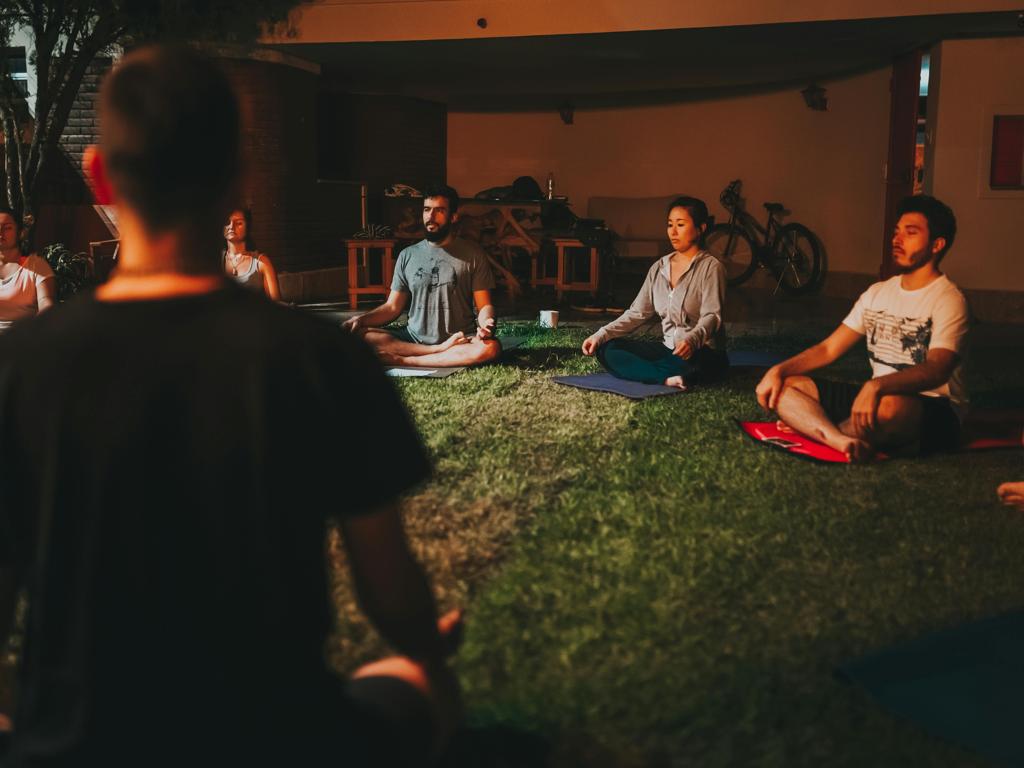
Angelic and Demonic Encounters on Psychedelics: What They Really Mean
Ask anyone who's sat through a full ayahuasca night what surprised them most, and there's a fair chance they won't mention the visuals or the purging. They'll mention who was there with them. A grandmother figure made of light. A serpent that spoke without words. Something dark in the corner of the maloca that seemed to know their name. These encounters — angelic, demonic, or somewhere in the strange territory between — are one of the least discussed and most disorienting parts of psychedelic and plant medicine work. And they happen a lot. Across ayahuasca, psilocybin, DMT, and iboga journeys, people consistently report meeting someone. Not a hallucination in the loose sense. A presence with intention, personality, and often a message. Whether you interpret these beings as literal spirits, projections of the unconscious, or something science hasn't got a name for yet, they matter — because how you meet them can shape the rest of your healing. Ayahuasca, in particular, has a reputation for populating the inner world. Shipibo and other Amazonian traditions don't treat this as a metaphor. The plants themselves are considered teachers — master plants — and the beings encountered during ceremony are seen as real inhabitants of a real (if non-ordinary) landscape. That framing sounds foreign to most Western first-timers, right up until they meet something in the visions that convinces them otherwise. Psilocybin journeys tend to produce warmer, more archetypal encounters: the wise old woman, the child version of yourself, a deceased grandparent. DMT, famously, drops people into what feels like a fully populated room of intelligent beings within seconds. Iboga is different again — it often presents ancestors, deceased relatives, and life-review figures who calmly walk you through your own history like an interrogation you asked for. Different medicines, different populations. But the pattern of encounter is remarkably consistent. Neuroscience has theories. Reduced activity in the default mode network, dissolution of ego boundaries, hyper-associative processing that stitches memory and imagination into something that feels external. All plausible. None of it, if you talk to people who've been through it, quite captures what actually happens when the being looks at you and something inside you knows it's being seen back. The benevolent encounters are the ones people talk about at dinner parties later. A luminous presence that radiates unconditional welcome. A voice that answers a question you've been carrying for a decade in a single sentence. The sensation of being held — sometimes so tenderly that grown adults describe weeping for an hour without noticing. These moments are often described as the most meaningful of a person's life. They can also be the most misleading. It's tempting to walk out of an experience like that convinced you've been chosen, awakened, or given a mission. The integration work in the weeks that follow is precisely about not doing that. The message may have been real. The instruction to quit your job and move to Costa Rica by Tuesday probably wasn't. What genuinely helpful angelic encounters tend to have in common: Now the harder half. Not everyone gets grandmothers of light. Some people meet something that seems to want to hurt them. Faces that leer. Insectoid shapes. A voice that mocks. A presence that feels older than the room and openly hostile. This is the part of psychedelic experience that retreat brochures don't feature and that facilitators, if they're any good, will tell you about honestly before you drink. Here's the thing worth knowing before you panic: in nearly every tradition that works with these plants, terrifying entities are not treated as random attacks. They're treated as something that arose because there's material to work with. Shadow, in the Jungian sense. Trauma. Denied grief. Rage you buried at fifteen because it wasn't safe to feel it. The demonic figure is often the messenger, not the disease. That doesn't mean you should charge at it. Experienced facilitators generally recommend a mix of the following when things get dark in ceremony: Many people describe these terrifying encounters transforming mid-experience once approached with curiosity rather than resistance. The demon becomes a child. The child becomes them at seven. And the healing that follows is often the deepest of the entire journey. Nobody knows. That's the honest answer, and anyone who tells you otherwise — in either direction — is overselling their certainty. The materialist view says these are neurologically generated experiences that feel independent because of how the brain processes them under altered conditions. The traditional view says the plants open a door to realms that were always there, and the beings live on the other side of it. A third view, held by more researchers than you'd expect, is that the distinction between those two options may not be as clean as either camp assumes. For practical purposes, most experienced facilitators recommend a middle stance: treat the encounters as real to the experience. Whether or not there's a metaphysical entity behind the vision, the emotional content, the messages, and the physiological responses are real. Dismissing them as "just a hallucination" tends to short-circuit the integration. So does over-literalizing them into a cosmology that turns you into a self-appointed prophet. Sit in the middle. Take the experience seriously without demanding it be one thing or the other. If you're heading to a retreat and this is on your mind, a few things help. First: work with facilitators who talk openly about entity encounters, both light and dark. If they only talk about bliss and healing, they're either inexperienced or selling something. Real practitioners have seen the whole spectrum and won't be surprised by what shows up for you. Second: do the preparation. The dieta before an ayahuasca retreat isn't just a food restriction — it's a period of quieting the system so that whatever surfaces in ceremony has room to be seen clearly. Cut alcohol, reduce sugar, sleep more, journal, be honest with yourself about what you're carrying in. People who arrive at a retreat already overwhelmed by their lives tend to have harder ceremonies than those who arrive settled. Third: have a plan for after. This is the single most underestimated piece of psychedelic healing, especially when it comes to addiction, depression, and trauma work. The encounter in ceremony is the crack of light. Integration is the actual house you build. Therapy, integration circles, embodiment practices, time in nature, a quiet month before making big decisions — these are what turn a memorable night into a changed life. People coming to plant medicine for addiction recovery or chronic depression often report particularly vivid encounters — the addiction itself sometimes appearing as a distinct figure. A parasite. A shadow. A hungry thing that speaks in the voice of their own cravings. This can be confronting, but it can also be one of the more useful frames the medicine offers. Once you've met the thing face-to-face, it becomes harder to identify with it. It's no longer you — it's something you've been carrying. That shift, small as it sounds, is what a lot of long-term recovery actually turns on. None of this replaces medical care, and no responsible retreat would suggest it does. Plant medicine sits alongside therapy, community, and often ongoing treatment — not in place of them. But for people who've tried everything else and are still stuck, the encounter with the master plants (and whatever comes with them) has been, for many, the piece that finally moved. Meeting entities in ceremony is one of the strangest, most humbling parts of this work, and it deserves to be talked about honestly rather than either sensationalized or dismissed. If any of this resonates and you're weighing where to sit for your own ceremony, a curated selection of ayahuasca and plant-medicine retreats can be browsed on our marketplace here. Whatever shows up for you when you drink — angelic, demonic, or the awkward in-between — go in prepared, go in with people who know what they're doing, and give yourself the time afterward to actually listen to what you were shown.
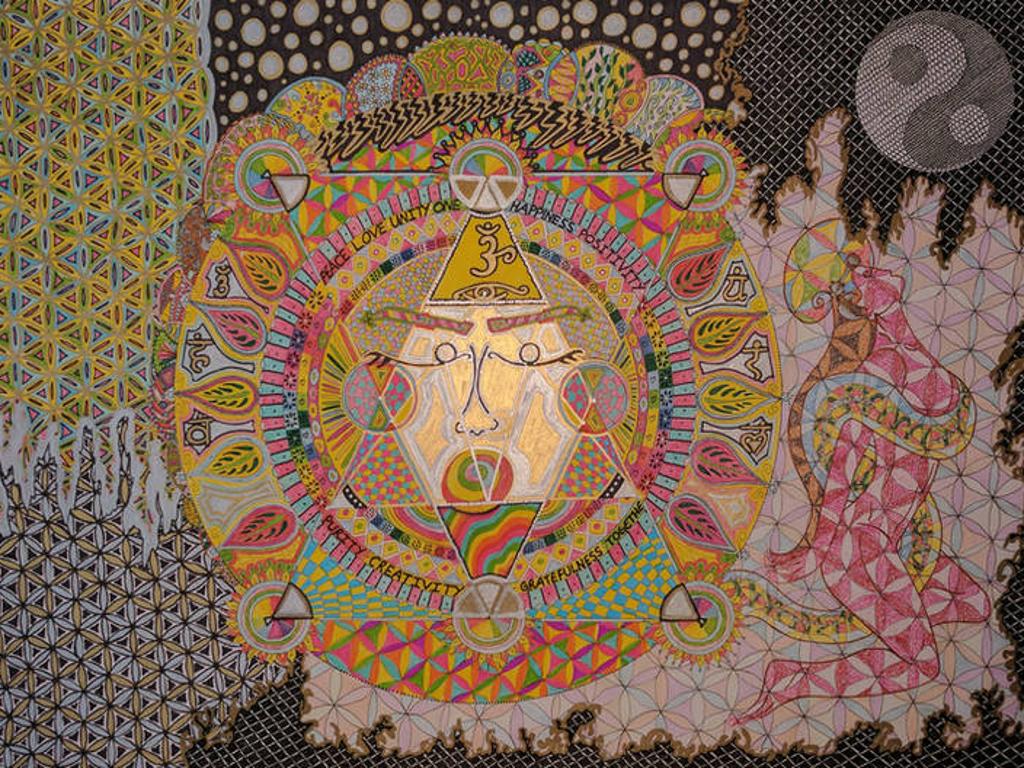
What Gets Lost When Ayahuasca Goes Global: A Shipibo Perspective
Sit with a Shipibo onanya long enough and you start to understand something uncomfortable about the ayahuasca boom. The medicine is spreading. The tradition it came from is not. Those two things are not the same, and the gap between them is where a lot of harm quietly happens. I've spent years around plant medicine retreats — as a participant, as a writer, as someone who's watched friends come home changed and others come home worse. And the conversation I keep circling back to isn't about dosage or set and setting. It's about what happens to a 500-year-old healing lineage when it becomes a product for foreigners with credit cards. Ayahuasca is having its moment. The people who kept it alive for centuries mostly aren't. The Shipibo-Konibo of the Peruvian Amazon are one of the primary lineages behind what most Westerners now call an ayahuasca ceremony. Their onanyabo — the trained healers, sometimes translated as “ones who know” — don't just serve brew. They sing icaros learned from years of dieta with specific master plants, each one a relationship built through isolation, fasting, and disciplined study that can span a decade or more. That word, dieta, gets thrown around casually now. On a Shipibo onanya's tongue it means something closer to apprenticeship-through-suffering. You don't just take ayahuasca. You live alone in the forest with a plant teacher, eat almost nothing, avoid salt and sugar and sex and even certain smells, and let that plant's spirit teach you how to sing, how to see, how to heal. Master plants like bobinsana, noya rao, chiric sanango, and ajo sacho aren't garnish — they're the actual curriculum. Most Western retreat participants don't know any of this. They come for the brew. They leave with a story. The transmission that took the healer thirty years to build gets compressed, translated, and served in five nights. Iquitos was a quiet river city not that long ago. Now it's a departure hub. Chartered vans leave daily for retreat centers dotted through the surrounding jungle, most of them owned by foreigners, some staffed by Shipibo healers on rotating contracts, some staffed by facilitators with a weekend certificate and an Instagram following. Here's what onanyabo I've spoken with — and what elders quoted in interviews across the region keep saying — describe as the real costs: None of this means Westerners shouldn't drink ayahuasca. It means the question of how and with whom and what you owe afterward matters more than the marketing suggests. You might be thinking: fine, cultural preservation is important, but I'm dealing with real pain. Addiction. Depression. A trauma I can't outrun. Does the politics of the plant really apply to me? Yes, and here's the practical reason. The lineage isn't decoration. It's the safety infrastructure. A trained onanya knows which songs to sing when a participant enters a difficult passage. They know how to read the energy in a maloca full of twenty purging strangers. They know what to do when someone dissociates, when someone's blood pressure spikes, when the brew hits harder than expected. That knowledge was built over generations for a reason — the medicine is powerful and it does not care about your intentions. When you sit with a facilitator whose training is thin, you're not just participating in cultural erosion. You're the person in the circle when something goes sideways and no one in the room actually knows what to do. The stories exist. Read enough integration forums and you'll find them. If you're weighing a booking — and this is where most readers of this post actually are — here's what I'd look at, having seen the range of what's out there. None of these questions guarantee a good experience. They just tilt the odds toward one and, more importantly, away from the extractive model that's hollowing out the tradition. Here's the part that tends to make Western seekers squirm. If ayahuasca genuinely helps you — if you come home lighter, clearer, freer from an addiction or a pattern that had you locked up for years — you owe something. Not to me, not to the retreat, but to the tradition that made your healing possible. That can look like a lot of things. Donating to Shipibo-led cultural preservation projects. Supporting indigenous land defense in the Ucayali region. Being honest with friends about where the medicine actually comes from instead of posting selfies with an ambiguous “plant medicine” caption. Coming back to a center that pays its healers well rather than the cheapest retreat you can find on comparison sites. Learning the name of at least one master plant beyond ayahuasca itself. The onanyabo I've spent time with aren't asking anyone to stop drinking. They're asking people to understand what they're drinking. There's a difference between being a guest and being a consumer, and the tradition can survive the first much better than the second. A handful of Shipibo-led initiatives are trying to hold the line — training the next generation of onanyabo in traditional dieta rather than tourism logistics, documenting icaros before elders pass, building retreat models where indigenous healers own the operation instead of working as staff. These efforts are quieter than the marketing of the big centers but they're where the future of the medicine actually lives. As a seeker, the most useful thing you can do is align your booking with those efforts. Every retreat you choose is a small vote for what this world becomes over the next decade. If enough people choose lineage-honoring centers, the extractive ones lose their economic footing. If they don't, the tradition thins out until what's left is a brand. Ayahuasca will keep going global. That's not reversible. But the version that reaches your children — whether it's still a living tradition or just a wellness product with feathers on the label — is being decided right now, one booking at a time. For readers who want to take this further, a range of curated ayahuasca retreats with genuine ties to indigenous lineage can be browsed on our marketplace here. Choose carefully. Ask hard questions. The people who kept this medicine alive for you are asking you to.
Dreaming of a Psychedelic Retreat?
We have the best deals and offers from thousands of organizers all over the world! Get them into your mailbox every week!
We value your privacy. Your email address will never be shared or published.
