 English
 Deutsch
 Français
 Nederlands
 Español
SHOP AYAHUASCA RETREATS BLOG
Salsa, Depression, and the Limits of Plant Medicine Alone

Fiona Holloway
October 5, 2026
Your ultimate guide to discover transforming ayahuasca and psychedelic experiences. Dive into serene destinations and elevate your consciousness to unparalled heights.
Discover Ayahuasca & Psychedelic Retreats NowSearch for ayahuasca & psychedelic retreats
Discover retreats, trainings, and holidays from all over the world
A study landed recently that caught my eye for an odd reason. It wasn't about psychedelics. It was about salsa dancing. Specifically, whether an eight-week salsa program could meaningfully shift depressive symptoms in young adults — and the answer, more or less, was yes.
Now, you might wonder why someone who writes about ayahuasca retreats and plant medicine is paying attention to a dance trial. The short version: because the same conversation keeps happening in integration circles after ceremony. People ask what helps the medicine stick. And the honest answer, over and over, is some combination of movement, community, and doing things you actually enjoy. The salsa study is just one more piece of evidence pointing at something the curanderos have known for a long time.
What the dance study actually found
Researchers pulled together 121 young adults between 18 and 24, all of whom reported mild to moderately severe depressive symptoms. Half were assigned to eight weeks of group salsa classes. The other half sat on a waitlist and would get the same classes later. Everyone filled out mental health questionnaires at the start and at several points along the way.
After the eight weeks, the salsa group had a bigger drop in depressive symptoms than the waitlist. They also reported less social anxiety and a bump in day-to-day happiness. Interestingly, loneliness and generalized anxiety improved in both groups — so salsa wasn't a magic bullet across the board. One detail stood out though: participants who genuinely enjoyed the classes got more benefit than those who didn't. Enjoyment, it turns out, is a load-bearing variable.
Caveats apply. The sample skewed female. Participants self-selected into a dance study, which means they probably liked the idea of dancing to begin with. And the waitlist comparison isn't the same as pitting salsa against therapy or medication. The researchers are measuring symptom shifts, not curing clinical depression. But the signal is there, and it's consistent with a growing stack of research on movement, novelty, and social connection as mental health interventions.
Why this matters if you're thinking about a psychedelic retreat
Here's where it gets interesting for anyone weighing an ayahuasca ceremony, a psilocybin retreat, or an ibogaine program. Plant medicine does something that conventional treatment often can't — it cracks something open. People describe seeing their patterns clearly, feeling emotions they've suppressed for decades, understanding where their depression actually comes from. That's real. I've watched it happen in maloca after maloca.
But the ceremony is maybe twenty percent of the work. The other eighty percent is what happens in the weeks and months afterward. And this is where the salsa research starts rhyming with what good facilitators have been saying all along: the medicine shows you the door, but you still have to walk through it. Walking through it looks a lot like movement, novelty, enjoyment, and showing up to places where other humans know your name.
I've met people who had profound ayahuasca experiences in Peru, flew home, slid back into isolation within a month, and were asking about booking another retreat by month three. The medicine wasn't the problem. The lack of a life that could hold the insights was the problem. A weekly dance class — or a hiking group, or a sports league, or a sober choir, whatever actually appeals to you — can be scaffolding for the changes the ceremony initiated.
Master plants, addiction, and the social dimension
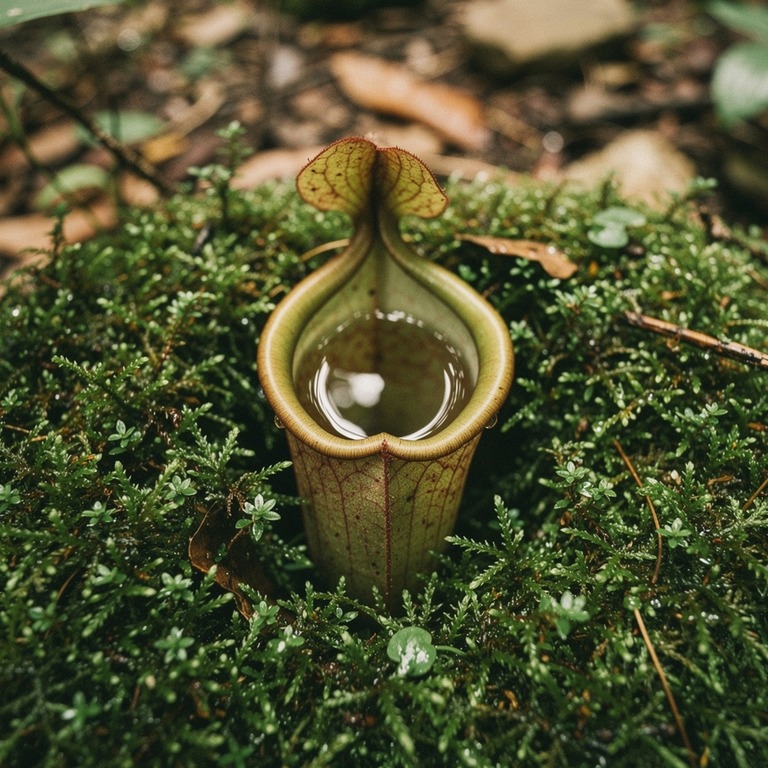
If you've been researching master plants — ayahuasca, San Pedro, iboga, tobacco, bobinsana — you've probably noticed that traditional usage was never a solo activity. Ceremonies happen in community. Dieta periods, where you isolate with a specific plant, are structured retreats, yes, but they bookend a return to the group. The idea of taking powerful psychoactives alone in your apartment and expecting durable results would strike most Shipibo or Quechua practitioners as nonsensical.
This is especially relevant for addiction recovery, which is one of the main reasons people search out ibogaine and ayahuasca in the first place. The research on psychedelics and addiction is genuinely encouraging — ibogaine's effect on opioid dependency, psilocybin's role in smoking cessation, ayahuasca's reported benefits for alcohol use disorder. These aren't trivial findings. But every clinician I've spoken to who works with addiction recovery says the same thing: the substance interrupts the pattern, and then the person has to build a different life to fill the space where the addiction used to live.
That different life usually includes:
- Regular physical movement — not punishing exercise, but something that moves your body in novel ways
- A community that sees you consistently and would notice if you disappeared
- At least one activity you look forward to for its own sake
- A practice — meditation, journaling, prayer, breathwork, whatever — that lets you check in with yourself
- Ongoing integration support, ideally with someone who understands psychedelic experiences
Notice how many of those overlap with what the salsa study was effectively testing. Movement. Community. Enjoyment. Novelty. The dance trial isn't competing with plant medicine. It's pointing at the same mechanisms from a different angle.
How to think about retreats if depression is driving the search
A lot of people land on retreat websites because they're tired. Tired of the depression that hasn't shifted in years. Tired of medications that help a little but not enough. Tired of therapy that circles the same ground. Ayahuasca shows up in a Google search and suddenly there's hope — maybe this is the thing.
Sometimes it is. Sometimes a well-held ceremony cracks loose patterns that had seemed permanent. I've seen it happen in people who'd been through decades of conventional treatment with little to show for it. But I want to be straight with you: the people who get the most durable benefit from psychedelic healing tend to be the ones who treat the retreat as a beginning, not an ending.
Before you book anything, ask yourself a few honest questions. Do you have someone to talk to afterward — a therapist, an integration coach, a sitter, a trusted friend who gets it? Do you have any kind of regular social contact you can lean into when you come home? Are you willing to make changes to your daily life based on what you learn, even if those changes are inconvenient? If the answer to all of those is no, the retreat might still be valuable, but you're asking the medicine to do work it can't do alone.
Choosing a retreat that takes integration seriously
If you're moving forward with the idea of a plant medicine retreat, the integration piece is probably the single most important thing to vet. Here's what to look for.
- Pre-retreat preparation. Reputable centers don't just hand you a flight itinerary. They want to know your medical history, your medications, your mental health background. They send you preparation materials and often require a diet before you arrive.
- On-site integration. Group sharing circles between ceremonies, access to facilitators for private conversations, somatic practices like yoga or breathwork during the retreat week. These matter.
- Post-retreat support. This is where many retreats fall short. Ask directly: what happens after I go home? Do you offer integration calls? A community platform? Follow-up with facilitators? If the answer is a vague "we're here if you need us," treat that as a yellow flag.
- Realistic language. If a retreat website promises to cure your depression, run. If they talk about plant medicine as one piece of a longer healing arc that includes your own ongoing work, you're probably in better hands.
Cost ranges wildly — anywhere from around $1,500 for a short ceremony with an experienced local facilitator in Peru to $8,000 or more for high-end retreats with built-in therapeutic support. More expensive isn't necessarily better, but very cheap retreats often skip the preparation and integration pieces that actually determine whether the experience sticks.
Movement, medicine, and the stuff in between
Back to salsa for a moment. One of the quieter findings in that study was that people in the waitlist group reported a growing loss of interest in social interaction over the eight weeks. The dancers didn't. Depression tends to pull people inward — fewer plans, fewer calls returned, more hours alone. The dancers simply had somewhere to be twice a week with the same faces. That alone may have accounted for a chunk of the benefit.
I think about this a lot when people describe their post-ceremony lives. The ones who do well are rarely the ones with the most dramatic visions. They're the ones who, after they get home, actually say yes to the yoga class, actually text the friend back, actually sign up for the thing. The medicine lowered the activation energy. They did the rest.
So if you're on the fence about a retreat, maybe start by signing up for something that gets you moving around other humans this week — a dance class, a climbing gym, a hiking meetup, a sangha, whatever doesn't make you cringe. See how it feels. If you're already doing that kind of thing and you still feel stuck, a plant medicine experience with the right container might be the next layer. For readers who want to explore that path, a range of curated ayahuasca and plant medicine retreats can be browsed on our marketplace here.
And if you're managing significant depression, please don't treat any of this as a replacement for working with a licensed therapist or doctor. Psychedelics, dance classes, and good retreats all work best as part of a wider support system — not as the whole thing.

Craving More Stories?
Join our ShopAyahuascaRetreats newsletter for the latest updates on thrilling
destinations and inspirational tales, delivered straight to your inbox!
We value your privacy. Your email address will never be shared or published.