 English
 Deutsch
 Français
 Nederlands
 Español
SHOP AYAHUASCA RETREATS BLOG
PMOS and Diet Quality: What a New Study Suggests About Hormonal Health

Ezra Caldwell
November 4, 2026
Your ultimate guide to discover transforming ayahuasca and psychedelic experiences. Dive into serene destinations and elevate your consciousness to unparalled heights.
Discover Ayahuasca & Psychedelic Retreats NowSearch for ayahuasca & psychedelic retreats
Discover retreats, trainings, and holidays from all over the world
Here's something worth sitting with: a recent study out of a nutrition journal found that women with the highest overall diet-quality scores had roughly 70% lower odds of PMOS — the condition formerly known as PCOS — compared to those eating the lowest-quality diets. That's a striking number. Not a magic bullet, not a cure, but a meaningful signal that what ends up on the plate day after day might matter more than any single supplement or trendy nutrient ever could.
If you've been navigating PMOS — the irregular cycles, the metabolic curveballs, the mood swings that don't quite line up with anyone else's story — you've probably already noticed that nobody has a tidy answer. One nutritionist tells you keto. Another says low-fat. Your cousin swears by seed cycling. The research, until recently, has mostly looked at individual nutrients in isolation, which is a bit like judging a symphony by one violin. This new work zooms out instead.
What the study actually looked at
Researchers pulled together 300 women between the ages of 20 and 35. Half had been diagnosed with PMOS. The other half were age-matched controls without the condition. Everyone filled out detailed food-frequency questionnaires covering their usual eating patterns — not a one-day snapshot, but the real rhythm of how they ate week in and week out.
The scoring system was the Diet Quality Index-International, which runs from 0 to 100. Higher numbers mean a more varied, nutrient-dense, overall better-balanced diet. The researchers also measured body composition and tracked physical activity, which matters because you can't really isolate food from the rest of someone's life and pretend the result is clean.
Then they ran the numbers. Women scoring highest on diet quality had that 70% lower odds figure attached to their PMOS risk, and the association held even after adjusting for age, BMI, smoking, fiber intake, activity levels, and total calories. In statistics-speak, that's a reasonably robust finding.
How could diet quality actually be linked to PMOS?
The leading theory involves insulin resistance, which shows up in a significant share of women with PMOS. When your cells stop responding properly to insulin, the pancreas cranks out more of it to compensate. Elevated insulin, in turn, nudges the ovaries toward producing more androgens — testosterone and its relatives — and that's where a lot of the downstream hormonal chaos originates.
Inflammation and oxidative stress likely play a supporting role too. Fruits and vegetables aren't just fiber delivery vehicles; they carry polyphenols and antioxidants that help the body manage the slow-burn inflammation implicated in metabolic conditions. Skimp on those foods long enough and you're essentially fighting with fewer tools in the toolbox.
One honest caveat: this is a case-control study, which means it can show association but not causation. It's possible that poor diet contributes to PMOS. It's also possible that PMOS — with its cravings, fatigue, and blood-sugar swings — makes it harder to eat well in the first place. Probably there's a loop going in both directions. The researchers would be the first to tell you so.
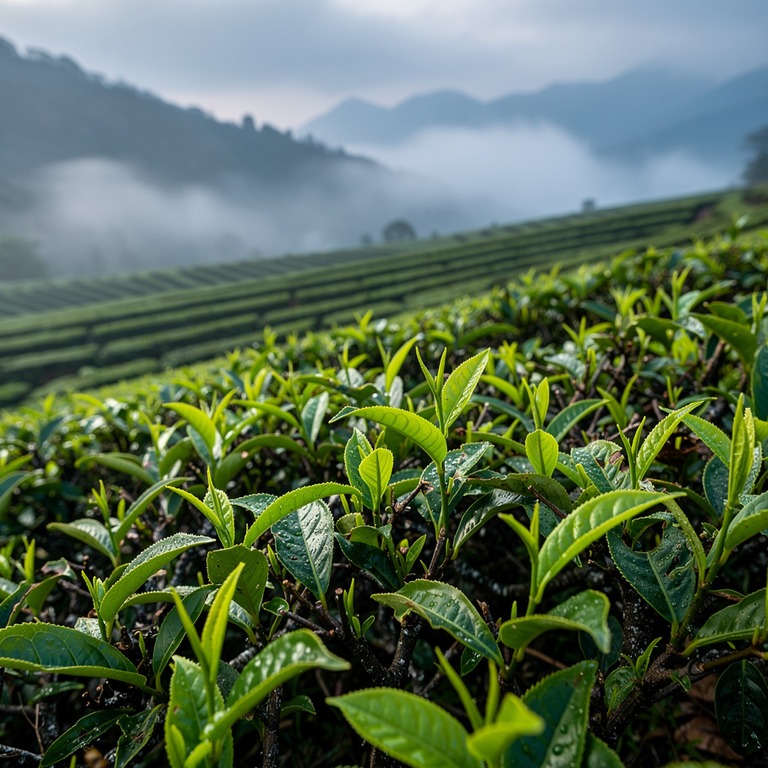
What the women with PMOS were actually eating
The food-diary data painted a specific picture. Women with PMOS tended to eat fewer fruits, vegetables, and low-fat dairy products. Interestingly, they reported higher intake of monounsaturated and polyunsaturated fats — the kind found in olive oil, nuts, and fatty fish. On paper those fats sound healthy, and they can be, but total diet quality is about balance and variety, not stacking up points in one category while neglecting others.
Their average BMI was also a bit higher — 29.1 compared to 27.0 in the control group — and their overall diet-quality scores came in at 68 versus 70. Small numerical gap on the score, but the clinical differences downstream were anything but small.
A rough sketch of a more balanced plate
There's no universal PMOS diet, and anyone selling you one is skipping over how individual this condition really is. That said, the general direction the evidence keeps pointing to isn't mysterious:
- Colorful produce, lots of it: berries, leafy greens, cruciferous vegetables, squash, peppers — the fiber and antioxidant load is the real benefit, not any single hero food.
- Slow carbohydrates: whole grains, beans, lentils, intact oats. These keep blood sugar from spiking and crashing, which matters a lot when insulin is already a sensitive variable.
- Fats that come with context: nuts, seeds, avocado, olive oil, oily fish. Yes, the PMOS group ate more of these — but likely without the surrounding produce and fiber that make them work.
- Protein at every meal: eggs, poultry, fish, tofu, tempeh, Greek yogurt. Protein stabilizes appetite and helps with the satiety piece that's often disrupted in PMOS.
A registered dietitian who actually understands PMOS — ideally one who's worked with it extensively — can be worth every penny when you're trying to translate general principles into something that fits your symptoms, your schedule, and the foods you'll actually eat on a Tuesday night when you're tired.

Where plant medicine and holistic healing fit in
This is where the conversation gets interesting for readers who've been exploring broader approaches to wellbeing. Many women drawn to ayahuasca retreats, psilocybin ceremonies, or master-plant dietas are also wrestling with chronic conditions that mainstream medicine treats one symptom at a time — PMOS included. The appeal of plant-medicine work isn't that it cures hormonal conditions (it doesn't, and reputable facilitators will say so plainly). It's that the preparation and integration process tends to force a top-to-bottom look at how someone's living.
Most serious retreats put you on a dieta before ceremony — no alcohol, minimal sugar, no processed foods, often no pork or spicy food for weeks. Participants frequently report that the pre-ceremony dietary discipline itself produces noticeable shifts in energy, cycle regularity, and mood, independent of whatever happens in the ceremony space. That's not mystical. That's just what happens when you eat plants and sleep and stop numbing yourself for a few weeks.
Integration after a psychedelic experience is where the lasting dietary changes often take root. Women who've described their post-ceremony shifts frequently mention a changed relationship with food — less compulsive eating, more intuitive choices, a quieter inner critic around body image. None of that's guaranteed, and plant medicine isn't a shortcut around actually doing the work. But for people who've been stuck in cycles of knowing-what-to-do-but-not-doing-it, a well-held ceremony can sometimes crack things open in a way years of trying couldn't.
The honest takeaway
Studies like this one are useful mostly because they reinforce what's already reasonable: eat mostly plants, vary your sources, don't over-rely on any single macronutrient, and pay attention to how your body actually responds rather than what a diet book insists should happen. The 70% figure makes a great headline, but the deeper story is just that diet quality — the full picture, not the Instagram plate — tracks meaningfully with hormonal health.
If you're sitting with PMOS and weighing whether something like a plant-medicine retreat or a longer healing journey might be part of your path, the research won't make that decision for you. Nothing can. What it can do is remind you that the foundational stuff — what you eat, how you sleep, how you move — keeps mattering no matter what deeper work you pursue. For readers curious to go further, a range of curated plant-medicine retreats can be browsed on our marketplace here.
Start where you are. Add a vegetable. Keep asking better questions.

Craving More Stories?
Get your free guide on how to choose a psychedelic retreat, plus upcoming retreats and new reading every two weeks.
We value your privacy. Your email address will never be shared or published.