 English
 Deutsch
 Français
 Nederlands
 Español
SHOP AYAHUASCA RETREATS BLOG
Plant Medicine Schools in Peru: What Long-Term Ayahuasca Training Actually Looks Like
Liam Beckett
September 27, 2026
Your ultimate guide to discover transforming ayahuasca and psychedelic experiences. Dive into serene destinations and elevate your consciousness to unparalled heights.
Discover Ayahuasca & Psychedelic Retreats NowSearch for ayahuasca & psychedelic retreats
Discover retreats, trainings, and holidays from all over the world
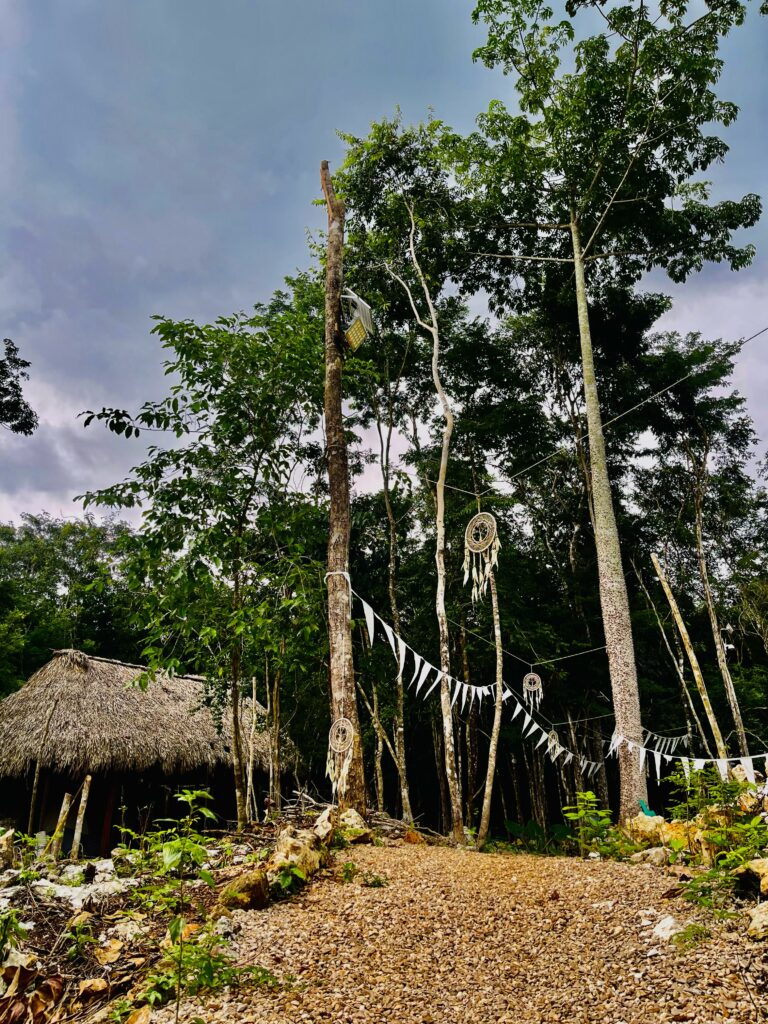
Somewhere past the city of Iquitos, down a rutted road that turns to red mud in the rainy season, there are small clusters of thatched-roof huts where people spend weeks, months, sometimes years learning the old ways of Amazonian plant medicine. Not weekend workshops. Not corporate wellness retreats. Actual apprenticeships, the kind that require you to sit alone with a plant for a month and see what happens.
If you've been researching ayahuasca and the deeper end of the psychedelic and plant medicine world, you've probably run into the term plant medicine school. It sounds official, maybe even accredited. It isn't, at least not in the Western sense. But these places are real, they're serious, and for a certain kind of seeker — often someone who has already done a few ceremonies and felt the pull to go deeper — they represent something a standard retreat can't offer.
Here's what actually happens at one, why people go, and what you should understand before you even think about booking.
What Is a Plant Medicine School, Really?
The phrase is a loose translation of what the Shipibo and other Amazonian traditions have been doing for centuries. In the old model, a curandero (healer) trains for years — sometimes decades — under an older curandero, learning to work with dozens of master plants through long, isolated dietas. A plant medicine school is the modern container that opens this apprenticeship path to outsiders, usually with a maestro or maestra Shipiba at the center of the work.
You're not going to learn to be a shaman in a month. Anyone who tells you otherwise is selling something. What these schools do offer is structured access to the traditional training path: real dietas with real plants, ayahuasca ceremonies held in the Shipibo lineage, and enough time in the jungle for something to actually shift.
The word school can be misleading. There's no curriculum in the classroom sense. There are plants, ceremonies, silence, and one or two teachers who watch you closely and adjust the work based on what they see. It's slow. It's often boring. Occasionally it cracks you open.
The Dieta — the Heart of the Training
If ayahuasca gets all the headlines, the dieta is the quieter, harder practice that actually does most of the heavy lifting in traditional plant medicine. A dieta is a period of isolation — typically eight days, thirty days, or longer — in which you take a single master plant and follow a strict set of restrictions.
What that looks like in practice:
- You live alone in a small hut, usually a good walk from the main maloca.
- You eat almost nothing anyone would call food. Boiled plantain, a little rice, unsalted fish, no sugar, no oil, no spice.
- No sex. No physical contact with others. No phones, books, or music for most of the time.
- You drink the plant, usually as a bitter brew, once or several times over the dieta.
- The plant works on you through dreams, through the ceremonies you attend during the dieta, through the long unfilled hours.
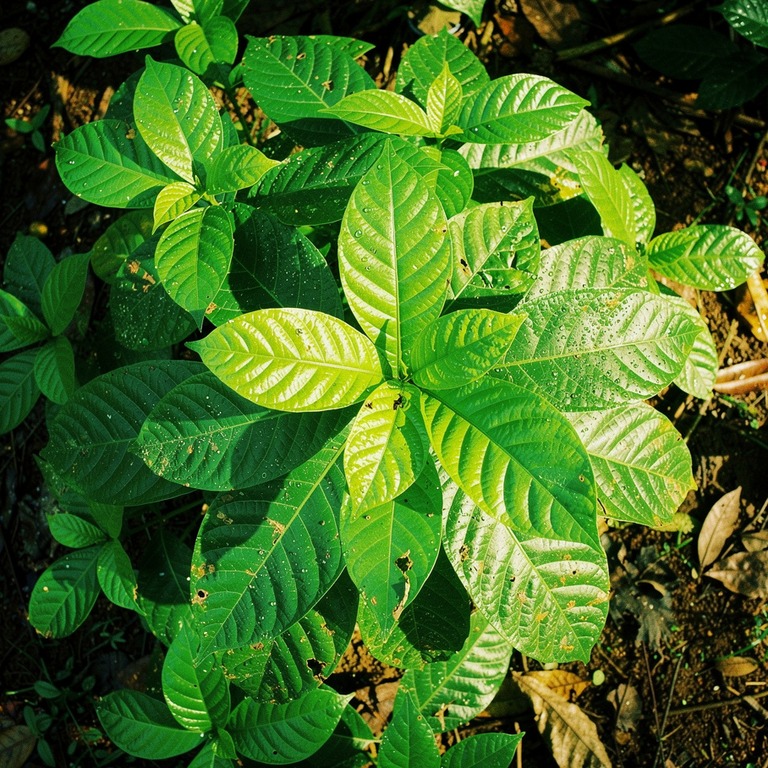
Master plants aren't psychedelic in the ayahuasca sense. Bobinsana, ajo sacha, chiric sanango, noya rao, chuchuwasi — each has its own personality, its own teachings. Serious practitioners describe the dieta as a kind of conversation. You show up quiet enough for long enough that the plant can speak.
It sounds romantic on the page. It's mostly not. Day four of a solo dieta with mosquitoes, boredom, and a mind that won't shut up is a specific kind of hell that a lot of people don't finish. Which is arguably the point.
Why Would Anyone Do This?
Fair question. The people who commit to long-term plant medicine study tend to fall into a few camps.
Some are aspiring facilitators or therapists who want a genuine grounding in the tradition rather than a certificate from a weekend course. Some are recovering from addiction and have found that short retreats give them a window but not a door — they need the sustained container. Some are dealing with trauma that hasn't budged through years of talk therapy. And some are just people who felt something powerful in a single ayahuasca ceremony and knew, in a way that's hard to explain to friends back home, that they weren't done.
The addiction piece deserves its own mention. There's a growing body of anecdotal and clinical interest in psychedelic-assisted recovery — ayahuasca for alcohol and stimulant addiction, ibogaine for opiates, psilocybin for tobacco. What the traditional plant medicine school adds is time and structure. A month in the jungle is a much stronger interruption of an addictive pattern than a long weekend, and the dieta itself teaches a kind of discipline that carries over.
None of this is a promise. Plant medicine isn't a cure. It's a tool, and like any powerful tool it works best in skilled hands and a supportive setting.
What to Look for in a Reputable School
The plant medicine world in Peru has grown fast, and not everyone hanging a sign is legitimate. If you're weighing a school, here's what actually matters.
- A real lineage. The lead healer should be trained in an actual tradition — Shipibo is the most common in the Iquitos area — and should have their own maestro they can name.
- Screening. Serious schools ask you for a medical and psychiatric history, ask about medications, and turn people away when the risk is too high. If they don't screen, run.
- Small groups. A ceremony with twelve people and one healer is a very different experience from a ceremony with forty people and one healer. The old model is intimate.
- Aftercare. What happens when you leave? Reputable places offer integration calls, community forums, or referrals to therapists who understand psychedelics.
- They talk about risk honestly. Ayahuasca has real contraindications, especially with SSRIs and certain heart conditions. A school that glosses over this is either careless or dishonest.
- Word of mouth. Ask around in online communities. The plant medicine world is small; reputations are known.
Cost varies wildly. A month-long dieta at a serious school in the Peruvian Amazon typically runs somewhere between three and six thousand US dollars, all in. Cheaper isn't better here — you're paying for food, lodging, medicine, and, most importantly, the time and skill of the healers.
What to Expect Before You Go
Preparation matters more than most people realize. In the weeks before, you'll usually be asked to follow a pre-dieta — no alcohol, no recreational drugs, no pork, minimal sugar and processed food, no sex for a week or two before arrival. This isn't superstition. The plants work more cleanly on a body that's been quieted down.
Bring less than you think. A journal, a few loose cotton clothes, a headlamp, mosquito repellent that doesn't smell like a chemical plant, and a genuinely open mind. Leave the expectations at the airport. The single most common report from people who've done long dietas is that whatever they came for was not what they got — but what they got was, in retrospect, exactly what they needed.
Mentally, prepare for boredom. Prepare for the plants to bring up things you'd rather not look at. Prepare for the possibility that a ceremony will feel like nothing, and another will feel like being taken apart and put back together. It's not linear.
The Integration Question Nobody Wants to Talk About
What you do after the jungle matters as much as what happens in it. Plant medicine schools are increasingly aware of this, but the burden is still mostly on the participant.
The classic mistake is coming home glowing, telling everyone about the vine, dropping old habits — and then, three months later, being right back where you started. The insights fade. The old patterns are patient. Without integration, you got a very expensive holiday.
Integration means the boring stuff. Journaling regularly. Working with a therapist or integration coach who doesn't think you're insane for talking about jaguars. Building a small daily practice — meditation, breathwork, movement — that keeps you in some kind of contact with what you learned. Community, ideally with other people who've done this work, so you're not the only one in your world speaking the language.
A month in the Amazon isn't the destination. It's the beginning of a much slower project, which is the rest of your life.
Is This Path Right for You?
Honestly? For most people, no. A well-run five to ten day ayahuasca retreat is the right first step, and often it's enough. You'll know if you need more. The pull toward a longer training tends to be unmistakable — it's less curiosity and more a quiet, persistent knowing that there's work here you're supposed to do.
If that's you, take your time choosing. Read everything. Talk to people who've studied at the school you're considering. Trust your gut when something feels off. The plants have been here a long time; they'll be here next year too.
For readers who want to explore the ayahuasca retreats and longer plant medicine programs discussed across the broader Amazonian tradition, a curated selection can be browsed on our marketplace here.

Craving More Stories?
Join our ShopAyahuascaRetreats newsletter for the latest updates on thrilling
destinations and inspirational tales, delivered straight to your inbox!
We value your privacy. Your email address will never be shared or published.