 English
 Deutsch
 Français
 Nederlands
 Español
SHOP AYAHUASCA RETREATS BLOG
Nervous About Your First Ayahuasca Retreat? An Honest Guide

Lila Novak
September 12, 2026
Your ultimate guide to discover transforming ayahuasca and psychedelic experiences. Dive into serene destinations and elevate your consciousness to unparalled heights.
Discover Ayahuasca & Psychedelic Retreats NowSearch for ayahuasca & psychedelic retreats
Discover retreats, trainings, and holidays from all over the world
The week before my first ayahuasca ceremony, I couldn't sleep properly. I'd lie awake at 3 a.m. running through worst-case scenarios — what if I lost my mind, what if nothing happened, what if I embarrassed myself in front of twenty strangers by crying or throwing up or both. If any of this sounds familiar, welcome. You're in good company. Nervous is the default setting for anyone about to sit with plant medicine for the first time, and honestly, if you weren't a little scared I'd wonder whether you were taking it seriously enough.
This post is for the person quietly researching an ayahuasca retreat at midnight, weighing whether to book, and quietly wondering whether they can handle it. I'll walk you through what actually tends to happen, what the good facilitators do to keep you safe, and how to prepare in a way that makes the whole experience less of a gamble and more of a considered decision. No hype, no promises of instant healing — just the stuff I wish someone had told me before I got on the plane.
Why nervousness is actually a good sign
The people I've watched struggle most in ceremony aren't the anxious ones. They're the overconfident ones — the seasoned psychonauts who assume ayahuasca is just another substance to catalogue, or the wellness-tourist types treating it like a spa weekend with extra vibes. The vine tends to humble both. Nervousness, by contrast, usually means you understand this is serious, and that awareness works in your favor.
Fear before a ceremony is not a red flag. It's a signal that some part of you knows you're about to do something meaningful. What matters is what you do with that fear. You can let it spiral into avoidance, or you can channel it into preparation — reading, talking to people who've done it, getting your questions answered honestly. The second option is what turns dread into readiness.
One more reframe: ayahuasca has been sat with by Amazonian communities for a very long time. You're not the guinea pig. The forms and songs and structures around the ceremony exist precisely because generations of practitioners have refined how to hold people through hard experiences. A good retreat inherits that lineage. Your job is to find one that takes it seriously.
How to choose a retreat you can actually trust
This is the single most important decision you'll make, more than any breathing exercise or dietary prep. A bad retreat can turn a difficult experience into a traumatic one. A good one can hold you through something genuinely life-changing. So slow down here.
Some things worth vetting before you send a deposit:
- Facilitator lineage and experience. Who trained them? How long have they been serving medicine? Vague answers or grandiose bios ("channeling ancient cosmic wisdom") are warnings. Specific answers with names, places, and years are reassuring.
- Medical intake. A serious retreat will ask about your medications, mental health history, and physical conditions in detail before they accept you. If they don't, they're not screening for safety — they're screening for your credit card.
- Group size. Fewer participants per facilitator generally means more attentive care. Twenty people to one shaman is a warehouse, not a ceremony.
- Integration support. What happens after the ceremonies end? A retreat that ships you to the airport the morning after the last session without follow-up is doing half the job.
- Reviews from people, not marketing quotes. Look for detailed accounts on forums and independent sites. Read the mixed ones especially — they tell you more than the glowing ones.
Trust your gut on the phone or video call. If a facilitator makes you feel small, evasive, or dazzled, keep looking. The right one will feel grounded and unhurried, and will happily answer questions without turning the conversation into a pitch.
The dieta: what to actually cut and why
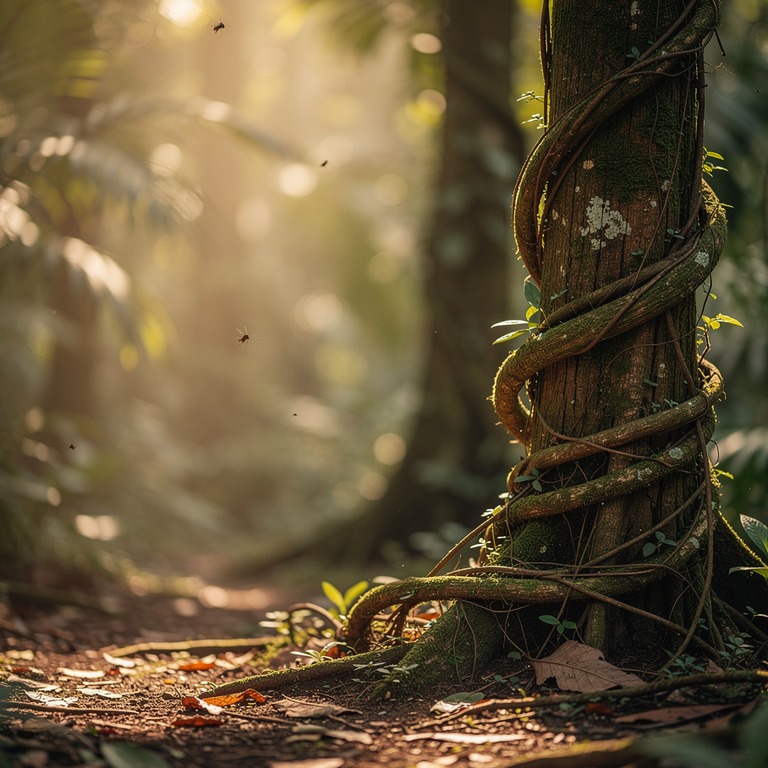
Most retreats will send you a preparation protocol. Follow it. The dieta isn't superstition — parts of it are pharmacological safety, parts of it are about sensitizing your body and psyche to the medicine.
The non-negotiable pharmacological piece: ayahuasca contains MAO inhibitors, and mixing MAOIs with certain foods and medications can range from unpleasant to genuinely dangerous. Aged cheeses, cured meats, fermented soy, and specifically SSRIs and other serotonergic drugs are the big ones to discuss with both the retreat and your doctor. Do not, under any circumstances, stop psychiatric medication on your own timeline without medical guidance. This is where people get hurt. A responsible retreat will work with you and, ideally, your prescriber to figure out a safe tapering plan — or will tell you honestly that they can't accept you right now.
The traditional dieta adds layers: no salt, no sugar, no red meat, no alcohol, no pork, no recreational drugs, no sex, sometimes no caffeine, usually for a week or two before and after. Some people find these restrictions annoying. I found them useful — they created a threshold, a sense that I was already stepping out of ordinary life before I even boarded the plane. Treat the dieta as the beginning of the ceremony, not a hurdle before it.
What actually happens in the maloca
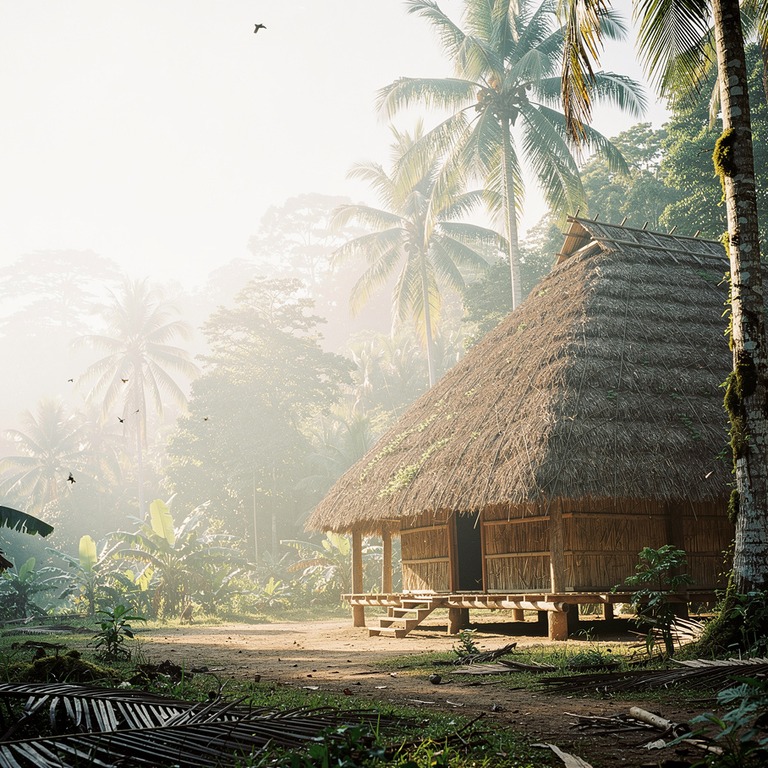
The specifics vary, but a typical night looks something like this. You arrive at the ceremony space in the late afternoon or early evening. You set up your mat, your bucket (yes, a bucket — more on that in a second), your water, a blanket. The facilitators open the space with prayers or songs. One by one, participants come forward and are served a cup of the brew. You drink. You return to your mat. You wait.
The medicine usually takes 20 to 60 minutes to come on. Then the room shifts. The shaman begins singing icaros — the traditional songs that guide the ceremony — and what happens next is unique to you. Some people see intricate visual worlds. Some people don't see much at all and instead move through waves of emotion, memory, or bodily sensation. Some people vomit, sometimes a lot. This is called the purge, and in the tradition it's understood as part of the healing, not a side effect to be avoided. It rarely feels as bad as it sounds. Afterward there's often a startling clarity.
The ceremony typically lasts four to six hours. You may lie down, sit up, cry, laugh, or simply stare at the ceiling. You may want to leave your body — you can't, so don't try. You may want it all to stop — it won't, so don't fight it. The most useful instruction I ever received was this: whatever comes, let it come, and whatever leaves, let it leave. Surrender is not passive. It's the active choice not to wrestle with what the medicine is showing you.
Ayahuasca for addiction, depression, and stuck patterns
Many first-timers arrive carrying something specific — an addiction they can't shake, a depression that hasn't lifted despite years of effort, a trauma that keeps rerunning. The research on psychedelics and mental health has grown substantially over the past few years, and ayahuasca specifically has drawn attention for its effects on depression and substance-use patterns. Studies out of Brazil and elsewhere have shown promising results, and clinicians increasingly treat plant medicine as a serious therapeutic tool rather than a fringe curiosity.
That said — and this matters — ayahuasca is not a cure. It's a catalyst. What it seems to do well is dissolve, temporarily, the defenses that keep us cycling through the same behaviors and stories. In that opening, you can see things about yourself with unusual clarity. But the ceremony ends, and life resumes, and unless you do the work of integration, the insights fade. The people I've seen make lasting changes are the ones who treat the retreat as the start of a process, not the end of one. Therapy afterward, community, honest lifestyle changes, sometimes a return to sit again a year later — that's the actual arc of healing.
The week after: integration is where the real work happens
Nobody warns you enough about the days after. You leave the jungle glowing, convinced everything has changed, and then two weeks back at your desk you wonder if any of it was real. This is normal. The medicine opens a door; walking through it is on you.
Practical integration looks like: journaling within the first few days while impressions are fresh, working with an integration coach or therapist familiar with psychedelic experiences, protecting quiet time for at least a week after you return, being cautious with big life decisions in the first month (the impulse to quit your job and move to Peru is real and usually premature), and staying in touch with at least one person from the retreat who understands what you went through.
A few last honest notes before you decide
Ayahuasca is not for everyone. If you have a personal or family history of psychosis or bipolar disorder, this is genuinely risky territory and most reputable retreats will decline you. If you're on SSRIs or MAOIs and can't safely taper, wait. If you're going because a podcast convinced you it would fix your life in a weekend, wait longer. The medicine rewards preparation and respect. It exposes shortcuts.
And yet — if you've read this far, if the pull is real, if you've done the honest self-assessment and the answer keeps coming back yes, then trust that. Nervous is fine. Nervous is right. Book with your eyes open, prepare with care, and give yourself the best possible container for whatever this experience is going to be.
If you want to keep exploring, a range of vetted ayahuasca retreats and ceremonies can be browsed on our marketplace here. Take your time with the decision — the vine, and the retreats, will still be there when you're ready.
Craving More Stories?
Join our ShopAyahuascaRetreats newsletter for the latest updates on thrilling
destinations and inspirational tales, delivered straight to your inbox!
We value your privacy. Your email address will never be shared or published.