 English
 Deutsch
 Français
 Nederlands
 Español
SHOP AYAHUASCA RETREATS BLOG
Inside the Rise of Luxury Psilocybin Retreats: What You Actually Get for $7,000

Fiona Holloway
June 2, 2026
Your ultimate guide to discover transforming ayahuasca and psychedelic experiences. Dive into serene destinations and elevate your consciousness to unparalled heights.
Discover Ayahuasca & Psychedelic Retreats NowSearch for ayahuasca & psychedelic retreats
Discover retreats, trainings, and holidays from all over the world
Somewhere between the wellness spa weekend and the underground ceremony in a friend-of-a-friend's basement, a new category has quietly taken shape: the luxury psilocybin retreat. Five-figure flights aside, you're now looking at programs in Jamaica, Costa Rica, and the Netherlands that charge anywhere from $3,900 to nearly $7,000 for a week, mushrooms included. The clientele isn't who you'd expect either. It's lawyers, founders, surgeons, mid-career people who've quietly read every Michael Pollan paragraph twice and want to know what the fuss is about — in a setting where nobody is going to call the cops.
I've spent enough time around plant medicine and psychedelic spaces to feel both excited and twitchy about this trend. On one hand: more people getting access to real psychedelic healing, in safer settings, with proper integration. That's progress. On the other hand: a lot of money is flooding in, and not all of it is arriving with clean intentions. So let's actually look at what these retreats offer, what they cost, and whether you — sitting there reading this, weighing whether to spend the equivalent of a used car on a week with mushrooms — should consider one.
What Counts as a Luxury Psilocybin Retreat?
The shorthand is easy: a multi-day program at a private property, usually in a jurisdiction where psilocybin sits in a legal grey or green zone, with screened participants, trained facilitators, and a ratio of staff to guest that would make most yoga retreats jealous. The longer answer is more interesting. These programs are designed less like a vacation and more like a structured therapeutic arc — preparation, ceremony, integration — wrapped inside the trappings of a five-star stay.
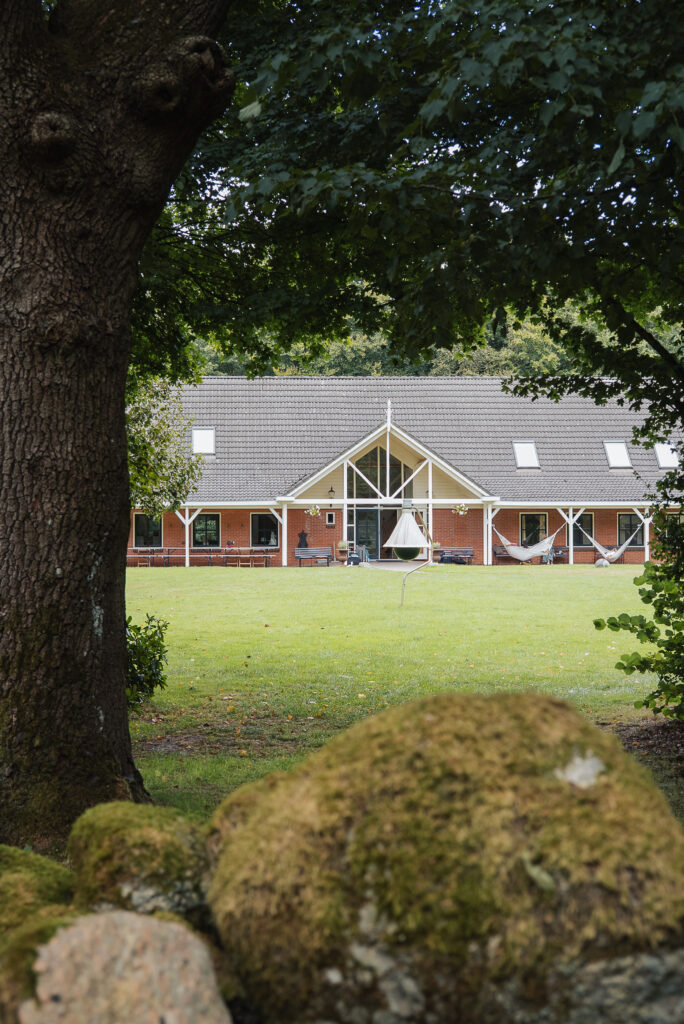
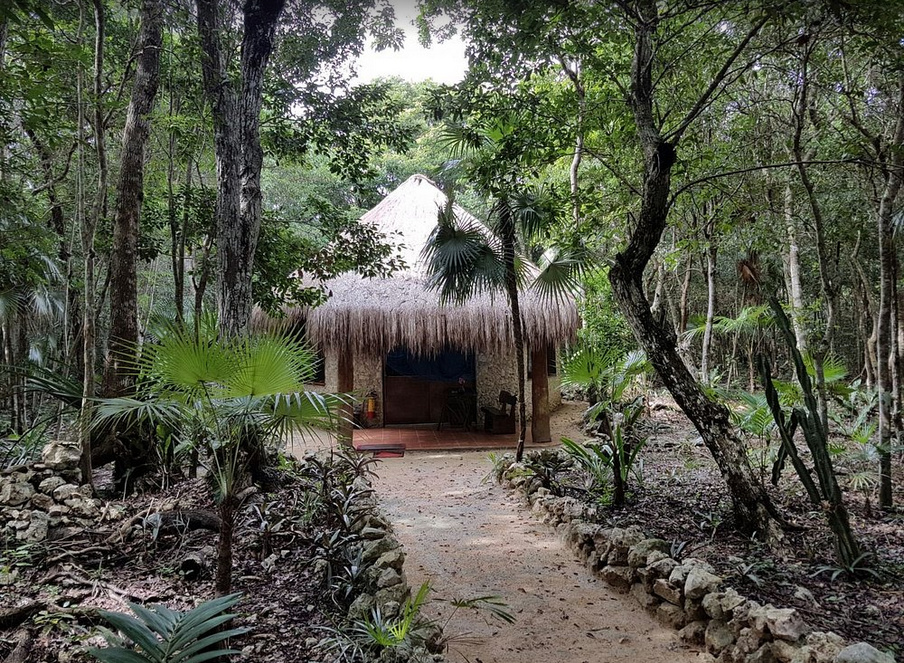
What you're really paying for is the container. A villa with thirteen rooms tucked away on a river, two pools, organic meals, a maloca or ceremony space that doesn't smell like the last guy's cologne. One facilitator for every three or four guests. Pre-retreat coaching calls. Six weeks of group integration after you've gone home and your boss is wondering why you keep crying during meetings. That's the product. The mushrooms, ironically, are maybe a third of it.
The Money Question: Is It Worth $7,000?
Here's where I have to be honest with you, because the entire psychedelic retreat space is starting to develop the same uncomfortable rhetoric the wellness industry mastered years ago — the implication that if you really want to heal, you'll find the money. I don't buy it. Plenty of people have had transformative psychedelic experiences for the cost of a tank of gas. The mushroom doesn't know what you paid for it.
What the money actually buys you is risk reduction and follow-through. Specifically:
- Medical and psychological screening before you arrive, which can flag genuine contraindications (bipolar, certain heart conditions, SSRI complications).
- Facilitators who've been trained in something more rigorous than "I've done a lot of mushrooms."
- A legal or quasi-legal setting where you won't spend the comedown worrying about a knock on the door.
- Real integration support — the part most weekend warriors skip and most therapists agree matters more than the trip itself.
- Food that isn't going to make your nervous system any more chaotic than it already is.
If you have $7,000 and you'd otherwise be eating mushrooms alone in your apartment on a Tuesday, the retreat is probably the better bet. If $7,000 means second-mortgaging something or canceling a year of therapy to afford it, that math gets ugly fast. There are quieter, smaller, more affordable options out there — including community-based circles in legal jurisdictions and lower-cost retreats in Mexico and Jamaica. The luxury version is one tier of a wider menu, not the only entry point.
Who Are These Retreats Actually For?
Most reputable luxury retreats are explicit that they're not designed for people in acute mental health crisis. The phrase used inside the industry is "healthy normals" — people whose lives function, who aren't actively suicidal or in psychotic territory, but who feel stuck. Numb. Career on autopilot, marriage on autopilot, evenings disappearing into a glass of wine and a screen. That kind of stuck.
These programs also screen for harder stuff: family history of schizophrenia, current medication conflicts, recent major loss. If you're carrying severe trauma or you're in recovery from substance dependence, a generic luxury retreat may not be the right room for you. Ibogaine programs, dedicated trauma-informed psilocybin therapy, or ayahuasca centers with strong medical staff are different animals built for different work. Don't let glossy marketing convince you a five-star villa is equivalent to a clinical setting — it isn't.
The honest reader profile, in my experience, looks like this: late thirties to mid-fifties, professionally accomplished, has read at least one psychedelic book, hasn't tripped since college (if ever), wants the experience inside a setting that feels grown-up and safe. If that's you, the luxury retreat category is genuinely built around your nervous system.
What Actually Happens During the Week
The structure across reputable programs is remarkably similar, which is reassuring — it suggests the practitioners are talking to each other and converging on what works. A typical arc:
- Pre-retreat (3–4 weeks before): Virtual calls with a facilitator. Intention setting. Dietary suggestions (cut the booze, cut the caffeine, cut the news). Sometimes a meditation primer.
- Arrival days: One or two days of settling in. Group introductions. Yoga, breathwork, walks. Nervous systems landing.
- Ceremonies: Usually two psilocybin ceremonies spaced a couple of days apart. Six hours each, give or take. Eye masks, curated music, facilitators present but not intrusive.
- Integration days: Group sharing, one-on-one sessions with a psychotherapist, journaling, gentle movement. The unsexy work where the actual change happens.
- Post-retreat (6–8 weeks): Weekly group calls. Continued integration. The part most people underestimate and later say was the most important.
Notice how little of that is the trip itself. Maybe twelve hours out of a hundred-and-twenty-hour program. The rest is scaffolding — the thing that determines whether your six hours of altered consciousness becomes a permanent shift or a fading memory you'll bring up at dinner parties for the next year.
The Red Flags Worth Watching
Not every retreat charging luxury prices is delivering luxury care. As money has poured into the psychedelic space, I've watched programs spring up that are essentially weekend parties dressed in shamanic costume. A few things to look for, and look out for:
- Vague facilitator credentials. Ask specifically who's in the ceremony room and what training they've completed. "Trained by indigenous lineage holders" is meaningful when verifiable, hand-wavy when not.
- No medical screening. If they'll take your credit card without asking about your medication list, leave.
- No integration program. The retreat ends and you're alone with the contents of your psyche? That's not a retreat, that's an expensive abandonment.
- Promises of specific outcomes. Anyone guaranteeing you'll heal your depression, fix your marriage, or find God is selling something other than honest plant medicine work.
- Group sizes that don't match the staffing. One facilitator for fifteen people isn't a ceremony, it's a tour.
The good operators welcome scrutiny. They'll send you their facilitator bios, walk you through the medical screening, and tell you who they've turned away and why. If a program won't engage with those questions, your wallet has its answer.
The Bigger Picture: Where This Is Headed
The psychedelic retreat industry is growing fast — projections for the broader psychedelic medicine market run into the tens of billions over the next decade. Regulation is shifting too, with Oregon and Colorado already operating legal psilocybin therapy frameworks and several other states inching that direction. The FDA hasn't approved psilocybin for general therapeutic use yet, but clinical trials for depression and end-of-life anxiety have produced results compelling enough that approval feels like a question of when, not if.
What this means practically: in five years, the $7,000 luxury retreat in Jamaica may have local equivalents at a fraction of the price. Community-based psilocybin centers, insurance-covered clinical sessions, lower-cost retreats with the same quality of care. The current premium reflects scarcity and legal complexity more than the underlying value of the mushroom or the work. If cost is the only thing keeping you from exploring this, the menu is widening every year.
That said, the work itself isn't going to get any easier just because the price drops. Psychedelics aren't a shortcut — they're an accelerant. They show you what's there. The discipline of integrating what they show you, of actually changing the patterns they illuminate, is still on you, retreat or no retreat.
So, Should You Go?
The honest answer depends on what you're after. If you're a curious, reasonably healthy person who wants to explore psilocybin in a setting designed not to traumatize you, and you can afford it without financial strain, a well-run luxury retreat is one of the safest, most supported ways to do that work right now. If you're carrying heavier stuff — addiction, severe trauma, treatment-resistant depression — you want a program built specifically for that, not a wellness retreat dressed up as therapy.
And if you've read this far and something in you is leaning toward yes, take that seriously. Curiosity that persists past the second article is usually pointing somewhere. For readers ready to look at specific options, a range of vetted psilocybin retreats can be browsed on our marketplace here. Take your time with the choice. The right container matters more than the right price tag.
Craving More Stories?
Join our ShopAyahuascaRetreats newsletter for the latest updates on thrilling
destinations and inspirational tales, delivered straight to your inbox!
We value your privacy. Your email address will never be shared or published.