 English
 Deutsch
 Français
 Nederlands
 Español
SHOP AYAHUASCA RETREATS BLOG
Ibogaine for Opioid Dependence: What to Ask Before You Book a Clinic

Axel Hartley
September 23, 2026
Your ultimate guide to discover transforming ayahuasca and psychedelic experiences. Dive into serene destinations and elevate your consciousness to unparalled heights.
Discover Ayahuasca & Psychedelic Retreats NowSearch for ayahuasca & psychedelic retreats
Discover retreats, trainings, and holidays from all over the world
Someone posts a question in a recovery forum: a clinic in Mexico told them they don’t need to taper off their opioids before flying down for ibogaine. Just show up. They’ll handle it. The person asking sounds hopeful — and a little uncertain. The replies pour in fast, and most of them say the same thing. Slow down. Ask more questions. That clinic might be fine. Or it might be the kind of place that ends up in a coroner’s report.
If you’re researching ibogaine for addiction — specifically for getting off opioids, methadone, or Suboxone — you’re about to make a decision that involves your heart, your liver, and a molecule with real teeth. This isn’t ayahuasca. It’s not a psilocybin retreat with soft blankets and a facilitator holding space. Ibogaine is a serious pharmacological intervention, and the difference between a good clinic and a bad one can be the difference between life and death. Literally.
Let’s walk through what actually matters when you’re vetting a provider, why the “you don’t need to taper” claim is a red flag worth understanding, and what a responsible ibogaine protocol tends to look like.
Why Ibogaine Is Different From Other Plant Medicines
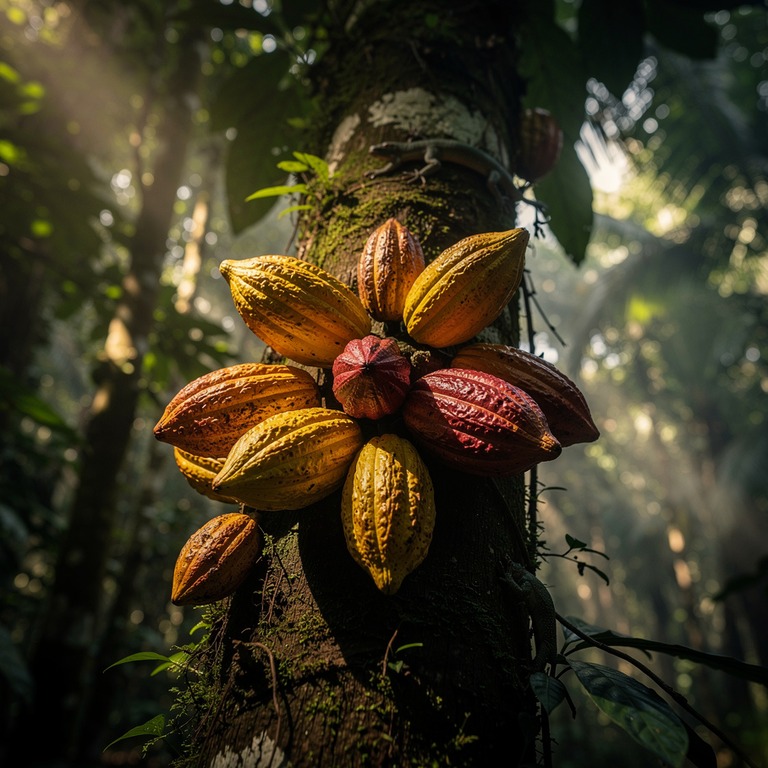
Ibogaine comes from the root bark of the iboga shrub, a plant used ceremonially by the Bwiti of Gabon for coming-of-age rituals and healing work. Somewhere in the mid-20th century, a heroin-addicted researcher named Howard Lotsof tried it and noticed something unusual: his withdrawal symptoms vanished. Not dulled. Gone. That anecdote has since been backed by a growing pile of case reports and small studies showing that a single high-dose ibogaine session can interrupt opioid dependence in ways nothing else quite matches.
Here’s the catch. Ibogaine is cardiotoxic in the wrong conditions. It prolongs the QT interval — a measure of how long your heart takes to reset between beats — and if that interval stretches too far, you can slip into a fatal arrhythmia. The deaths that have been documented in ibogaine clinics almost always involve pre-existing heart issues, undisclosed medications, electrolyte imbalances, or providers who skipped the medical workup. This is why serious clinics run EKGs, blood panels, and liver-function tests before you ever swallow a capsule.
Ayahuasca and psilocybin have their own risks, but the risk profile of ibogaine is a different animal. Think of it less like a psychedelic retreat and more like a medically supervised procedure that happens to involve a profound inner experience.
The Pre-Ibogaine Taper: What the Best Clinics Actually Require
Reputable ibogaine providers almost always want opioid-dependent clients transitioned onto short-acting opioids — usually morphine or hydrocodone — for a window before treatment. The reason is pharmacological. Long-acting opioids like methadone and Suboxone sit on your receptors for days. Ibogaine works, in part, by resetting those receptors. If methadone is still occupying the parking spots, ibogaine can’t do its job cleanly, and you risk precipitated withdrawal that lasts far longer than anyone wants.
The standard-of-care window most experienced providers cite:
- Off methadone for at least 30 days (some say longer)
- Off Suboxone/buprenorphine for at least 2 weeks, often longer
- Transitioned to a short-acting opioid like morphine for the final stretch before treatment
- Comprehensive medical screening including 12-lead EKG, magnesium and potassium levels, liver panel, and a full medication reconciliation
So when a clinic tells you none of that matters — that you can fly in on your current dose of methadone and they’ll “handle it” — pay attention to that feeling in your gut. Some experienced clinicians do have protocols for treating methadone-dependent clients with modified approaches, and a few of them are excellent. But most operations making that claim are cutting corners. And in ibogaine treatment, corners are where people die.

Questions to Ask Any Ibogaine Clinic Before You Send Money
You are the customer here, even if the framing is medical or spiritual. You’re entitled to answers. If a clinic gets cagey or defensive when you press them, that itself is your answer.
- Who administers the ibogaine, and what are their credentials? Is there a medical doctor on-site, or just a facilitator? What’s their training in emergency cardiac care?
- What pre-screening do you require? A responsible clinic will insist on an EKG, blood work, and a full medical history before accepting you. If they’ll take anyone with a credit card, run.
- How do you handle methadone or Suboxone clients? Listen carefully to the answer. It should involve a specific protocol, not a vague reassurance.
- What’s your emergency plan? Is there a defibrillator on-site? IV access during dosing? A hospital nearby, and how far?
- How many clients have you treated, and have you had any serious adverse events? Honest providers will answer this directly. Evasive ones won’t.
- What does aftercare look like? Ibogaine is not a one-and-done miracle. The window after treatment is when integration and relapse-prevention work matter most.
If you can, talk to former clients — not the testimonials on the clinic’s website, but real people you find through recovery forums or personal networks. Ask them what actually happened, not just how they felt about it a week later.
What the Experience Itself Is Like
People often ask what an ibogaine session feels like, and the honest answer is: nothing else. It’s not euphoric. It’s not particularly pleasant in the moment. Most people describe a long, dreamlike waking state — sometimes called the “visionary phase” — that can last eight to twelve hours, followed by an insomniac processing period that stretches another day or two. There’s a low buzzing sensation in the body, ataxia (you can’t really walk), sensitivity to light and sound, and often a slideshow of life memories delivered with unusual clarity and lack of emotional charge.
Many people report reviewing their addiction from the outside, seeing the choices and wounds that fed it, and coming out the other side with the compulsion simply… gone. Or muted enough to be workable. The withdrawal that would ordinarily be devastating is either absent or dramatically reduced. This is the part that sounds like a fairy tale, but it’s been reported often enough by enough people that it deserves to be taken seriously.
What ibogaine doesn’t do is fix your life. It cracks open a window. The window closes. What you do with the weeks and months afterward determines whether the reset holds. People who go home to the same environment, the same relationships, and the same emotional patterns tend to relapse. People who use the post-treatment window to build new structures — therapy, community, meaningful work, sometimes further psychedelic work with gentler medicines — tend to do better.
The Legal and Practical Landscape
Ibogaine is a Schedule I substance in the United States, which is why most treatment happens in Mexico, Costa Rica, Portugal, the Netherlands, and a handful of other countries where it exists in legal grey zones or is explicitly permitted. Mexico has the largest concentration of clinics, and the quality varies wildly — from world-class medical facilities with cardiologists on staff to sketchy operations run out of rented villas.
Cost is another honest conversation to have with yourself. A legitimate ibogaine treatment with proper medical oversight typically runs between $6,000 and $12,000 USD for a week-long stay. Anything dramatically cheaper should raise questions about what’s being skipped. Anything dramatically more expensive should raise questions about what you’re actually paying for. Ask for an itemized breakdown.
Insurance won’t cover it. Financing plans exist but read the fine print. And factor in the cost of getting there, the cost of aftercare back home, and the cost of taking real time off from work and life on both sides of the treatment. This isn’t a weekend.

A Word on Hope, and on Honest Skepticism
If you’ve been trapped in opioid dependence for years, the promise of ibogaine can feel like the first real door you’ve seen in a long time. That hope is legitimate. The molecule really does seem to do something remarkable for a lot of people. But hope is also what predatory clinics feed on, and desperation makes it easier to ignore red flags that would be obvious in any other context.
Take your time. Get a second opinion from your regular doctor about your cardiac health. Read the case reports of fatalities — not to scare yourself out of it, but to understand what actually goes wrong so you can ask better questions. Join an ibogaine-focused forum and lurk for a few weeks before you post. The community is small, opinionated, and generally generous with information.
For readers who want to compare vetted options and understand what a well-run program looks like, a range of ibogaine and plant-medicine retreats can be browsed on our marketplace here. Whatever you decide, decide slowly. The plant will still be there next month, and the difference between a rushed decision and a considered one is often the difference between a story you get to tell and one someone tells about you.

Craving More Stories?
Join our ShopAyahuascaRetreats newsletter for the latest updates on thrilling
destinations and inspirational tales, delivered straight to your inbox!
We value your privacy. Your email address will never be shared or published.