 English
 Deutsch
 Français
 Nederlands
 Español
SHOP AYAHUASCA RETREATS BLOG
Herbal Teas for Ceremony Prep: What to Drink Before Plant Medicine

Ezra Caldwell
November 10, 2026
Your ultimate guide to discover transforming ayahuasca and psychedelic experiences. Dive into serene destinations and elevate your consciousness to unparalled heights.
Discover Ayahuasca & Psychedelic Retreats NowSearch for ayahuasca & psychedelic retreats
Discover retreats, trainings, and holidays from all over the world
Most people planning an ayahuasca retreat spend weeks reading about the ceremony itself — the icaros, the purge, the visions — and almost no time thinking about what they put in their cup each morning. That's a shame. The weeks leading up to a plant-medicine experience are when your nervous system quietly decides how it's going to meet the brew. And one of the simplest, cheapest, most overlooked tools for that preparation is a decent pot of herbal tea.
I'm not talking about the sugary fruit infusions that live in supermarket boxes. I mean real herbs — chamomile, tulsi, lemon balm, mugwort — the kind traditional cultures have been sipping for centuries to steady the body and soften the edges of the mind. For anyone weighing a psychedelic retreat, learning to work with these plants is a surprisingly good warm-up for working with the bigger ones.
Why Herbal Tea Matters Before a Psychedelic Retreat
Ayahuasca, psilocybin, and other master plants don't arrive in a vacuum. They land in whatever body and mind you bring to the maloca. If you show up dehydrated, wired on caffeine, and running on four hours of sleep, the medicine has more work to do before it can do its actual work. Facilitators talk about the pre-ceremony dieta — no alcohol, no red meat, no pork, no recreational drugs — but they rarely give you much to replace those habits with.
That's where tea earns its keep. A warm cup in the morning instead of your third espresso. Something calming in the evening instead of two glasses of wine. These small swaps start to recalibrate your baseline weeks before you ever sit in ceremony. Your sleep improves. Your digestion steadies. The jittery hum in your chest — the one most of us have learned to call normal — begins to quiet.
There's also a subtler reason. Learning to taste a plant, to notice what it does to your body over the course of an hour, is the exact skill you'll need when the medicine comes on. Herbal tea is low-stakes practice for paying attention.
The Teas Worth Keeping in Your Cupboard
Everyone has their favorite. Ask ten retreat facilitators and you'll get ten different answers, half of them including something they picked up from a curandera in Iquitos. But a few show up again and again, and for good reason.
- Chamomile — the classic for a reason. Gentle, slightly sedating, friendly to the gut. Good for the nights before ceremony when your brain won't stop auditioning every reason this might be a terrible idea.
- Tulsi (holy basil) — an adaptogen used in Ayurveda for centuries. It takes the edge off stress without making you drowsy. If you're the type whose cortisol doesn't quite switch off, tulsi is worth getting to know.
- Lemon balm — bright, lemony, quietly anti-anxious. Works beautifully in the afternoon slump when you'd normally reach for another coffee.
- Peppermint — unglamorous but useful. Settles the stomach, which matters when you're training your digestive system to behave itself on a dieta.
- Ginger — warming, mildly anti-nausea. A friend of anyone who's ever worried about the purge.
- Rooibos — caffeine-free, rich in antioxidants, drinks like a proper cup of tea without the stimulation. Good for people weaning off black tea or coffee.
- Nettle — tastes like green soup, which is not a selling point, but it's mineral-rich and supports the kidneys, which do quiet heavy lifting during any detox phase.
Notice what's not on this list: anything with MAO-active or serotonergic properties that might interact with ayahuasca. Skip St. John's wort entirely in the run-up to a ceremony — that one isn't negotiable. If you're on any prescription medication, run your tea choices past someone who actually knows pharmacology, not a forum thread.
What About Plant Medicine as Tea?
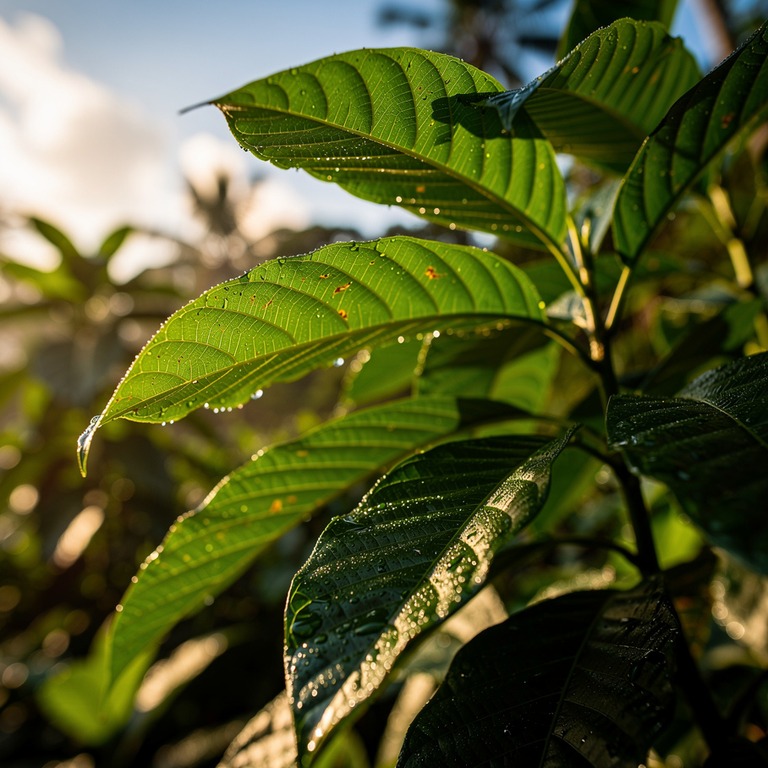
Here's where it gets interesting. Some of the plants used in traditional Amazonian healing are themselves drunk as teas — not as the main ceremony brew, but as supporting medicines. The dieta tradition involves isolating with a single master plant for days or weeks, drinking its tea or infusion, and learning its character before working with ayahuasca.
Plants like bobinsana, ajo sacha, and chuchuhuasi are all taken this way at serious retreat centers in Peru. They're not psychedelic on their own. They're teachers in a quieter sense — they open your body and emotions in specific directions, and you learn their lessons in dreams and in daily life. This is the real meaning of master plants, and it's one of the reasons why a two-week retreat with proper dieta work goes deeper than a weekend ceremony.
You won't find these plants at your local health food store, and that's probably for the best. They belong in context — with a facilitator who knows how to introduce them and what to do when things stir up. But knowing they exist helps explain why retreat centers care so much about what you're drinking in the days before and after you arrive.
How to Actually Build a Pre-Retreat Tea Habit
Grand intentions die fast. Here's what tends to stick instead.
- Replace one habit, not all of them. Swap your afternoon coffee for tulsi. Leave the morning coffee alone for now. One change at a time holds.
- Buy loose leaf if you can. The quality difference is enormous, and the small ritual of measuring and steeping is part of what makes the practice work. Teabags are fine when traveling.
- Steep properly. Most people under-steep herbs. Five to ten minutes covered, not two minutes while you scroll your phone.
- Drink it warm, sitting down, without a screen. This is the part people skip. Ten minutes of sipping tea while actually noticing the taste is a surprisingly effective meditation for people who insist they can't meditate.
- Keep a simple journal. Which teas help your sleep? Which ones make you feel steadier? You're building self-knowledge that'll be useful when the medicine shows up.
None of this is dramatic. That's the point. The weeks before a serious psychedelic experience are not about pushing harder — they're about softening the ground. A quiet tea habit does more for that than another workout or another podcast.
After the Ceremony: Tea in the Integration Window
The days after ayahuasca or a psilocybin ceremony are strange. You're raw. Your body is still processing what happened. Sleep might be odd for a week. Appetite comes and goes. This is where tea quietly keeps earning its place.
Chamomile and lemon balm help with the sleep disruption that often follows intense ceremonies. Ginger and peppermint soothe a digestive system that's been through something. Tulsi helps the nervous system settle back into ordinary life without the crash that so many people describe in the second week post-retreat, when the glow fades and real life returns with all its noise.
Integration isn't just about journaling and therapy sessions, though both help. It's also about small, physical acts of self-care that tell your body you're safe now. A warm cup in the morning. Another before bed. The same practice you built before the retreat, carried through to the other side.
A Few Honest Caveats
Tea is not medicine in the heroic sense. It won't heal your trauma. It won't fix your relationship with alcohol. It won't substitute for the harder work of actually sitting with a plant medicine under trained guidance. Anyone selling you herbal tea as a shortcut to psychedelic healing is selling you a mug with marketing in it.
What tea can do is prepare the terrain. Think of it as tuning the instrument before the concert. The music still has to be played, and that's on you and whoever holds the ceremony. But an untuned instrument makes bad music no matter how good the musician.
If plant medicine is genuinely on your horizon, the hardest and most important work is choosing a retreat center that treats preparation and integration as seriously as the ceremony itself. For readers who want to take this further, a range of carefully vetted ayahuasca and plant-medicine retreats can be browsed on our marketplace here. Start a kettle in the meantime. The practice begins before the plane ticket.
Craving More Stories?
Get your free guide on how to choose a psychedelic retreat, plus upcoming retreats and new reading every two weeks.
We value your privacy. Your email address will never be shared or published.