 English
 Deutsch
 Français
 Nederlands
 Español
SHOP AYAHUASCA RETREATS BLOG
Healing the Wounded Inner Child: A Mindful Path Through Old Pain

Ezra Caldwell
September 26, 2026
Your ultimate guide to discover transforming ayahuasca and psychedelic experiences. Dive into serene destinations and elevate your consciousness to unparalled heights.
Discover Ayahuasca & Psychedelic Retreats NowSearch for ayahuasca & psychedelic retreats
Discover retreats, trainings, and holidays from all over the world
There's a small figure living somewhere inside you. Frightened, probably. Carrying something that happened a long time ago that you'd rather not think about. Most of us have spent decades pretending that figure isn't there, and most of us have paid a price for the pretending. The idea of the wounded inner child isn't new-age fluff — it sits at the heart of contemplative Buddhist practice, and increasingly, at the heart of trauma-informed work with plant medicines like ayahuasca and psilocybin. If you're reading this because something in you is asking to be looked at, that's already the beginning of the work.
What follows is a slow walk through what it actually means to turn toward that inner child, why running never quite works, and how the practice of mindfulness — and sometimes, for some people, the doorway that psychedelic healing can open — helps the reunion happen. No promises. Just the shape of a path a lot of people have walked.
Why We Bury the Child in the First Place
When something painful happens to a kid — a parent who couldn't be reached, an outburst that came out of nowhere, a loss no one explained — the child does the sensible thing. They tuck it away. Feeling it fully would break them, so the mind builds a small locked room and puts the experience inside. The room stays locked for years. Sometimes decades. Sometimes for a whole life.
The problem is that the child inside the room doesn't age. She keeps knocking. He keeps whispering. And because we grow up trained to keep moving — job, relationship, mortgage, the next thing — we get very good at not hearing the knock. Alcohol helps. So does scrolling. So does staying so busy that the quiet never comes.
Here's the thing nobody tells you when you're twenty-five and burying yourself in work: the running is what makes it worse. The child in the locked room doesn't calm down when ignored. She gets louder. She shows up sideways — as anxiety before a work call, as rage at your partner over a dish left in the sink, as a low mood that arrives on a Tuesday for no reason at all. What we don't acknowledge, we act out.
What Does It Mean to Actually Listen?
Compassionate listening is usually something we offer other people. A friend calls, we make space, we let them talk. The radical move — the one contemplative traditions have taught for centuries — is to turn that same quality of attention inward. Toward the small, hurting part of yourself that has been waiting.
The practice is embarrassingly simple in description and quite hard in execution. You sit. You breathe. And when the wounded child stirs — as a memory, a body sensation, a wave of sadness that seems to come from nowhere — you don't push it away. You say, silently, something like: I'm here. I'm sorry I left you alone so long. I'm listening now.
You might feel silly. You might cry. You might feel nothing at all the first ten times, and then one afternoon while walking to the corner store, something inside you cracks open and old grief spills out. All of that is the practice working. The listening isn't a performance for anyone. It's just the slow, patient act of not turning away anymore.
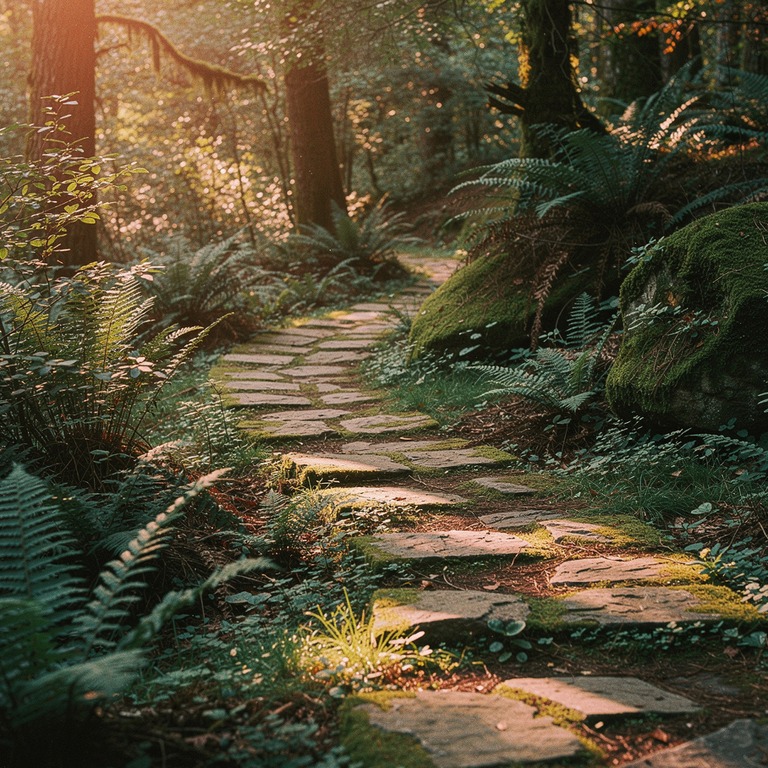
Where Plant Medicine Enters the Picture
A growing number of people are finding their way to this inner-child work not through a meditation cushion but through a ceremony. Ayahuasca, psilocybin, and other master plants have a way of dissolving the door on that locked room whether you were ready or not. Many participants at plant-medicine retreats describe encountering younger versions of themselves during ceremony — a five-year-old on the porch of a childhood house, a teenager crying in a car, a small child who just wanted to be held.
This isn't hallucination in the dismissive sense. It's the psyche using the loosened grip of ordinary consciousness to show you what it's been carrying. Ayahuasca in particular has a reputation for surfacing the exact material you've spent your life avoiding — which is either terrifying or profoundly useful, depending on how prepared you are to meet it.
A few honest caveats before anyone books a flight to Peru:
- Plant medicine amplifies what's already there. If you have no framework for meeting your own pain with kindness, the ceremony can leave you flooded rather than healed.
- The real work is in integration — the weeks and months after — not in the ceremony itself. People who skip integration often report the insights fading within a month.
- A reputable retreat screens for medications, medical conditions, and mental-health history. If a center doesn't ask you hard questions before accepting your booking, that's a red flag.
- Sitting with a wounded inner child in ceremony is not a shortcut past therapy. For most people it works best alongside therapeutic support, not instead of it.
Master plants have been used for centuries by Amazonian and Andean traditions specifically because they open a door to the interior. What the traditions understood — and what a lot of Western psychedelic tourism forgets — is that opening the door is only step one. Someone has to be there to help you walk through it, sit with what you find, and then close the door carefully afterward.
Addiction, Numbing, and the Child Underneath
One of the most useful frames for thinking about addiction is that it's almost always an attempt to soothe something. The drink, the substance, the compulsive behavior — these are strategies the wounded child came up with when the real support wasn't available. They worked, in a rough way, until they didn't.
This is why plant medicine has drawn so much attention as a possible ally in addiction recovery. Ibogaine has decades of anecdotal and increasingly clinical evidence for interrupting opioid dependency. Ayahuasca ceremonies have helped people confront the childhood grief sitting underneath years of alcohol use. Psilocybin trials at major universities have shown promising results for tobacco cessation. The mechanism isn't magic. It's the same mechanism the Buddhist traditions describe — meeting the pain the substance was covering, with enough compassion that the substance is no longer needed as armor.
None of this makes plant medicine a cure. Plenty of people who sit in ceremony still relapse. What seems to matter is whether the person can build a new relationship with the wounded part of themselves — one where the child gets listened to instead of numbed. Retreats can catalyze that shift. They rarely finish it.
The Practice: What Actually Helps, Day to Day
Whether you go the meditation route, the plant-medicine route, or some combination, the daily practice is fairly consistent. It's small. It's repetitive. It doesn't feel like much on any given morning, and then one day you notice you're a different person.
- Five to ten minutes of quiet, daily. Sit. Breathe. Feel the body. Notice what wants your attention. This is the base rate. Skip it and everything else wobbles.
- Talk to the child directly. Silently, in your head, out loud when nobody's around. Use whatever language feels honest. I see you. I know it was hard. I'm not leaving.
- Invite the child into good moments. When you're eating something delicious, walking through a park, watching a sunset — mentally take the child with you. Let the small part of you experience the good things you couldn't experience as a kid.
- Move the body. Trauma lives in tissue. Walking, yoga, dance, cold water, breathwork — pick something and do it regularly. The child needs to feel safe in the body before he'll come out.
- Find at least one person who can hold this with you. A therapist, an integration circle, a wise friend. Doing this work in total isolation is possible but harder than it needs to be.
Do this for a few months and notice what happens. Not everything will change. But the sharp edges soften. The reactions you used to have — the flash of anger, the sudden shame spiral, the urge to bolt — start arriving with a little more space around them. You can see them before you're inside them.
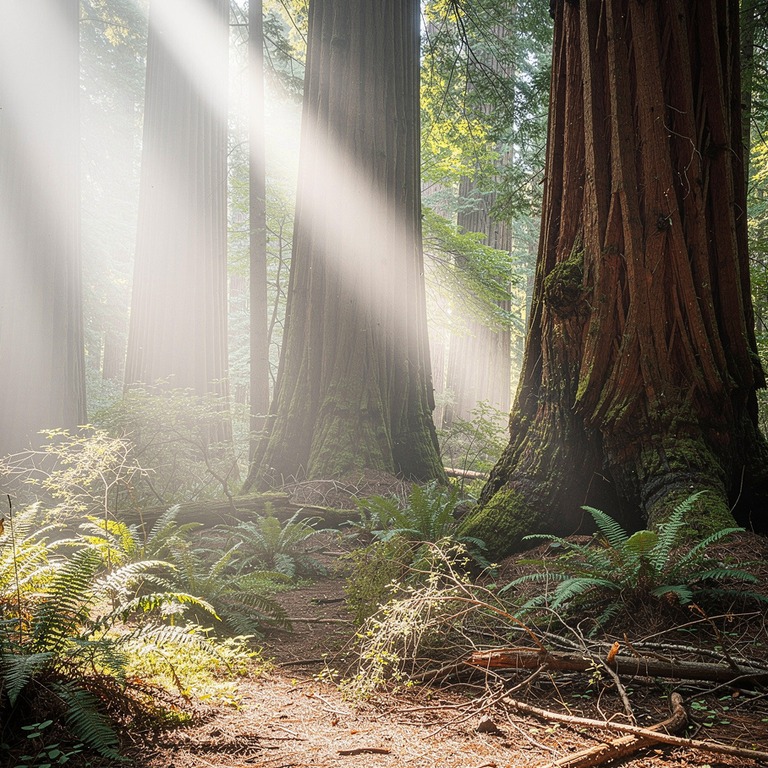
Healing Backward and Forward at Once
There's a strange thing that happens when you do this work seriously for a while. You start to see that your wounded child isn't only yours. Your mother had one. Your father had one. Their parents did too. What gets handed down through families isn't just eye color and cheekbones — it's unmet grief, ways of coping, silences around certain topics.
When you tend to your own inner child, you're doing something for the people upstream who never got the chance. You're also doing it for anyone downstream — kids of your own, or nieces and nephews, or students, or people you haven't met yet. The cycle either continues or it stops with someone. It might as well be you.
For readers who feel drawn to explore this work in a supported ceremonial container, a range of ayahuasca and plant-medicine retreats focused on trauma and inner-child healing can be browsed on our marketplace here. Whatever path you choose — sitting quietly at home, working with a therapist, or traveling for ceremony — the invitation is the same. The child is still in there. She's still waiting. You get to decide when to go back and pick her up.

Craving More Stories?
Join our ShopAyahuascaRetreats newsletter for the latest updates on thrilling
destinations and inspirational tales, delivered straight to your inbox!
We value your privacy. Your email address will never be shared or published.