 English
 Deutsch
 Français
 Nederlands
 Español
SHOP AYAHUASCA RETREATS BLOG
Blocked Source, Honest Answer: What Actually Happens in a Plant Medicine Retreat

Finn Ashton
September 30, 2026
Your ultimate guide to discover transforming ayahuasca and psychedelic experiences. Dive into serene destinations and elevate your consciousness to unparalled heights.
Discover Ayahuasca & Psychedelic Retreats NowSearch for ayahuasca & psychedelic retreats
Discover retreats, trainings, and holidays from all over the world
You know the moment. You're three tabs deep into researching ayahuasca, you click a promising link, and — nothing. A login wall, a blocked page, a Reddit thread that won't load. The trail goes cold right when it was getting interesting. If you've been quietly circling the idea of a plant medicine retreat for months, that dead end feels weirdly personal.
So let's do something more useful than chase broken links. If you're in the research phase — weighing whether ayahuasca, psilocybin, or another master plant might help with the addiction pattern you can't shake, the depression that's outlived three therapists, or the trauma you've been walking around for a decade — here's what actually matters. No mysticism, no sales pitch, no promises. Just the stuff I wish someone had told me before my first ceremony.
Why People Are Actually Booking Psychedelic Retreats in 2026
The retreat scene has shifted. What used to be a fringe pilgrimage — a handful of Westerners bumping down dirt roads in Iquitos — is now a global industry. Centers exist in Peru, Costa Rica, Mexico, Portugal, the Netherlands, Jamaica, Brazil, and a growing list of jurisdictions where either the substance or a legal loophole makes ceremony possible. The people showing up are not who you'd expect. Software engineers. Nurses. Divorced dads. Grief-flattened mothers. War veterans. A surprising number of physicians.
What's driving it? Two things, mostly. One, the accumulating research on psychedelics for addiction, depression, and PTSD has moved from suppressed curiosity to mainstream conversation — Johns Hopkins, Imperial College London, MAPS, and dozens of universities are publishing serious clinical work. Two, a lot of people have simply run out of other options. They've tried the SSRIs, the CBT, the meditation apps, the 12 steps. Something is still stuck. Plant medicine, whatever else it is, tends to be very good at getting unstuck things moving.
That's not a promise it'll work for you. It's an observation about who's showing up and why.
Ayahuasca, Psilocybin, Ibogaine, San Pedro — Which One and Why
People often ask which plant medicine is “best.” It's the wrong question. Each one has a distinct personality, a distinct medical risk profile, and a distinct kind of work it tends to do. A quick and honest tour:
- Ayahuasca — the Amazonian brew of Banisteriopsis caapi and a DMT-containing companion plant. Ceremonies run four to six hours, usually at night, usually with icaros (sung medicine songs). Purging is common. The material that surfaces tends to be relational, ancestral, emotional. Strong track record anecdotally for depression, trauma, and stuck grief.
- Psilocybin mushrooms — gentler onset, four to six hour arc, often more visual and playful, though high doses can be as confronting as anything. Legal in Oregon, Colorado, and via licensed retreats in Jamaica and the Netherlands (truffles). Strong clinical data for treatment-resistant depression.
- Ibogaine — the heavy hitter. West African iboga root, used primarily for opioid and stimulant addiction interruption. A single session can lift withdrawal in ways no other tool touches. It's also cardiac-risky and demands medical screening. Never take ibogaine at a place that doesn't run an EKG.
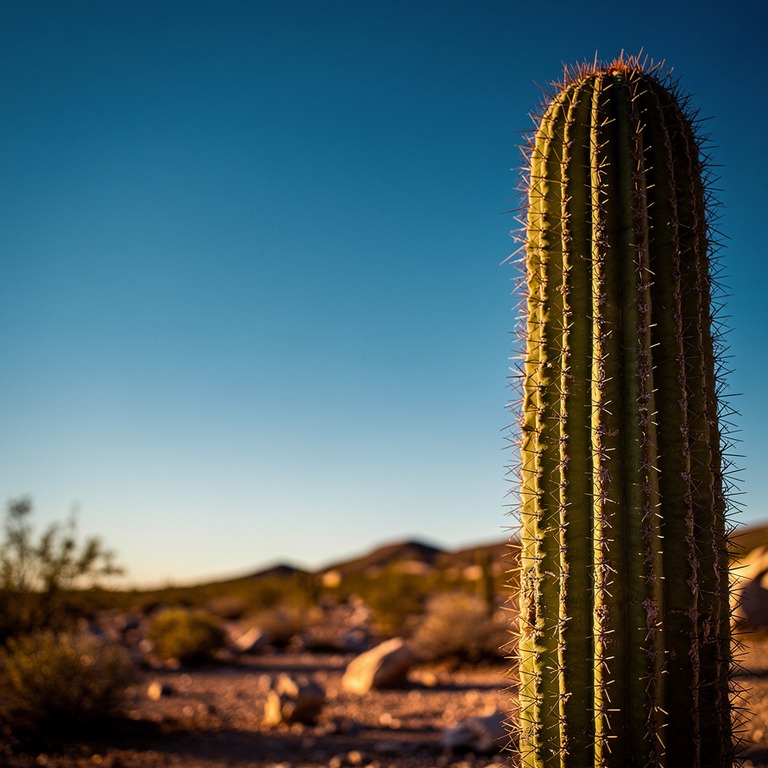
- San Pedro / huachuma — mescaline-containing Andean cactus. Long ceremonies (eight to twelve hours), typically in daylight, gentler emotional tone than ayahuasca, deeply nature-connective. Good for people who find ayahuasca's intensity too much.
- Kambo — not psychedelic, but often available at plant medicine centers. Amazonian frog secretion applied to small skin burns. Purgative, immune-modulating, occasionally combined with other work.
If you're weighing which plant medicine to sit with, start with what you're actually trying to address. Opioid dependency and you have a healthy heart? Ibogaine is worth serious research. Long-standing depression, no interest in the jungle? Psilocybin in Jamaica or a licensed Oregon service center may fit better. Complex trauma and a pull toward the traditional? Ayahuasca in Peru with a lineage-trained curandero is the classical path.
How Much Does a Psychedelic Retreat Really Cost?
Let's just say the number out loud. As of 2026, a reputable weeklong ayahuasca retreat runs between $1,500 and $4,500 for the ceremonies, food, and accommodation. Ibogaine treatment at a medically supervised clinic can hit $6,000 to $10,000 because of the cardiology, IV monitoring, and nursing staff. Psilocybin retreats in the Netherlands or Jamaica sit around $2,000 to $5,000. Oregon's licensed service centers, at the high end, can reach $3,000 for a single high-dose session.
Add flights, travel insurance, and (this matters) money for two to four weeks of reduced work capacity afterward. Integration is not a weekend. Budget accordingly.
You'll see cheaper options — under a thousand dollars for a weekend of ceremonies in someone's backyard. Sometimes those are legitimate community traditions with genuine facilitators. Often they're not. Price isn't a reliable proxy for safety, but rock-bottom prices almost always mean corners cut somewhere — medical screening, facilitator training, or the medicine itself.
How to Vet a Retreat Without Getting Burned
This is the part nobody covers well, so pay attention. When you're looking at a center, ask questions that matter:
- Who is the lead facilitator, and how were they trained? A real answer names a lineage, a teacher, or a specific tradition. Vague answers about “years of experience” are a flag.
- What's the medical screening process? They should ask about SSRIs (dangerous with ayahuasca), heart conditions, personal and family history of psychosis, and current medications. If the intake form is one page and doesn't ask about your meds, walk away.
- What's the participant-to-facilitator ratio? One facilitator holding space for twenty people in ceremony is not enough. Look for roughly 1:6 or better.
- What integration support is offered? Post-ceremony calls, group sessions, referrals to integration therapists. If it ends when you leave the property, that's half a container.
- Have there been any incidents? A center that answers this honestly — yes, we had a difficult experience, here's what we changed — is more trustworthy than one that claims a perfect record. Nobody has a perfect record.
- Are past participants reachable? Not curated testimonials — actual people you can email.
Trust your instinct in the first email exchange. If a center pressures you, dodges medical questions, or leads with mystical promises, keep looking. There are plenty of honest operators.
What Ceremony Actually Feels Like
Nobody can describe this properly, but I'll try. Ayahuasca comes on within twenty to forty minutes of drinking the cup. A wave. Sometimes the visuals start — the geometric lattices, the moving vegetation — sometimes it's more like an emotional gravity turning up. Then, often, the purge. Vomiting or diarrhea, not because you're sick, but because the body is releasing something the tradition calls stored energy and neuroscience is still figuring out how to name.
The middle hours are the work. Memories you haven't accessed in decades. Conversations with the dead. Sometimes visions of your own patterns laid out like a map. Sometimes just darkness and a body that hurts. Sometimes an overwhelming sense of being loved. It varies wildly across people and across nights.
By hour five or six, the intensity softens. You lie in your hammock. The icaros keep going. Something in you feels older or clearer or emptier than when you sat down. Sometimes you cry. Sometimes you laugh. Sometimes both, in the same minute.
The next morning, breakfast tastes different. That's not romanticism — the medicine does something to sensory processing that can last hours or days. And then the real work begins, because ceremony is the easy part.
The Integration Piece Nobody Wants to Hear About
Here's the honest truth: the ceremony is maybe twenty percent of the transformation. The other eighty is what you do in the weeks and months afterward. Insights are cheap. Behavior change is expensive.
Plan for it. Book time off work — more than you think you need. Line up an integration therapist or coach before you leave. Keep your first week home quiet: no big decisions, no alcohol, no romantic upheavals, no doomscrolling. Journal daily. Move your body. Get outside. Eat simply.
Most of the people I know who got life-changing benefit from psychedelic healing took integration seriously. Most of the people who got a great story and no lasting change treated it like a vacation.
Is It Right for You?
Plant medicine is not a shortcut. It's not a substitute for therapy — it works best alongside it. It's not appropriate if you have a personal or family history of schizophrenia or bipolar I, if you're on SSRIs you can't safely taper, or if you're looking for a spiritual bypass around doing the actual work of your life.
But if you've done the work, hit a wall, and something in you keeps returning to this idea — that's worth listening to. The people who benefit most tend to be the ones who arrive with a specific question, a genuine willingness to be shown things they don't want to see, and enough humility to know they don't already have the answer.
If any of this resonates and you want to see what's actually out there, a curated range of ayahuasca and plant medicine retreats can be browsed on our marketplace here. Take your time with the decision. The medicine will still be there when you're ready.
Craving More Stories?
Join our ShopAyahuascaRetreats newsletter for the latest updates on thrilling
destinations and inspirational tales, delivered straight to your inbox!
We value your privacy. Your email address will never be shared or published.