 English
 Deutsch
 Français
 Nederlands
 Español
SHOP AYAHUASCA RETREATS BLOG
Ayahuasca Ceremony: What Actually Happens Before, During, and After
Axel Hartley
November 14, 2026
Your ultimate guide to discover transforming ayahuasca and psychedelic experiences. Dive into serene destinations and elevate your consciousness to unparalled heights.
Discover Ayahuasca & Psychedelic Retreats NowSearch for ayahuasca & psychedelic retreats
Discover retreats, trainings, and holidays from all over the world
The first time someone described an ayahuasca ceremony to me, they used the word “unforgettable” about six times and told me almost nothing useful. That's the problem with most descriptions out there. You get vague gestures toward transformation, a few lines about the jungle, and zero practical sense of what you're actually signing up for.
So here's the opposite of that. A clear-eyed look at what a real ayahuasca ceremony involves — the hours before, the brew itself, the long night, and the morning after. If you're weighing a plant medicine retreat and trying to figure out whether this is something you can actually handle, this is the piece I wish I'd read before my first sit.
What an Ayahuasca Ceremony Actually Is
Strip away the mystique for a second. Ayahuasca is a brew made from two Amazonian plants — the Banisteriopsis caapi vine and the chacruna leaf (Psychotria viridis). The vine contains compounds that let the DMT in the leaf stay active when you drink it. Without that combination, your stomach would break down the DMT before it could do anything. Indigenous communities in the Amazon figured this out probably thousands of years ago, which is still, to me, one of the most astonishing accidents — or non-accidents — in the history of human pharmacology.
A ceremony is the container around drinking the brew. Traditionally it's led by a curandero or ayahuasquero, often with icaros (sung medicine songs), mapacho tobacco, and a group of participants sitting on mats in a wooden ceremonial space called a maloca. The ceremony usually runs from sundown until the small hours of the morning. You drink. You wait. Something happens. And then, hours later, you sleep.
That's the mechanical version. The experiential version is wildly harder to pin down, which is probably why so much of the writing about ayahuasca sounds like a travel poster.
The Days Leading Up to Ceremony: The Dieta
If you've booked a reputable retreat, you'll be asked to follow a dieta for at least a week or two beforehand. This isn't optional and it's not ceremonial window-dressing. Some of it is pharmacological safety — certain foods and medications interact dangerously with the MAO inhibitors in the brew. Some of it is about preparing your nervous system for what's coming.
Typical pre-ceremony guidelines include:
- No alcohol, recreational drugs, or cannabis — usually for at least two weeks out
- No SSRIs, SNRIs, or other antidepressants (this requires medical supervision to taper, and should never be done cold)
- No pork, red meat, fermented foods, aged cheeses, or anything with high tyramine content
- Minimal salt, sugar, spice, and processed food
- No sexual activity, including solo, for several days before and after
The food restrictions aren't about punishment. High-tyramine foods combined with MAO inhibitors can spike your blood pressure to genuinely dangerous levels. The sex and substance restrictions are more about energetic preparation — the idea that you arrive clean, focused, and not carrying too many loose threads into the ceremony.
Most people also do some kind of psychological prep. Writing down intentions. Talking with a therapist. Thinking honestly about what they want to look at. The ceremony tends to meet you where you're pointing, so pointing somewhere thoughtful matters.
Walking Into the Maloca
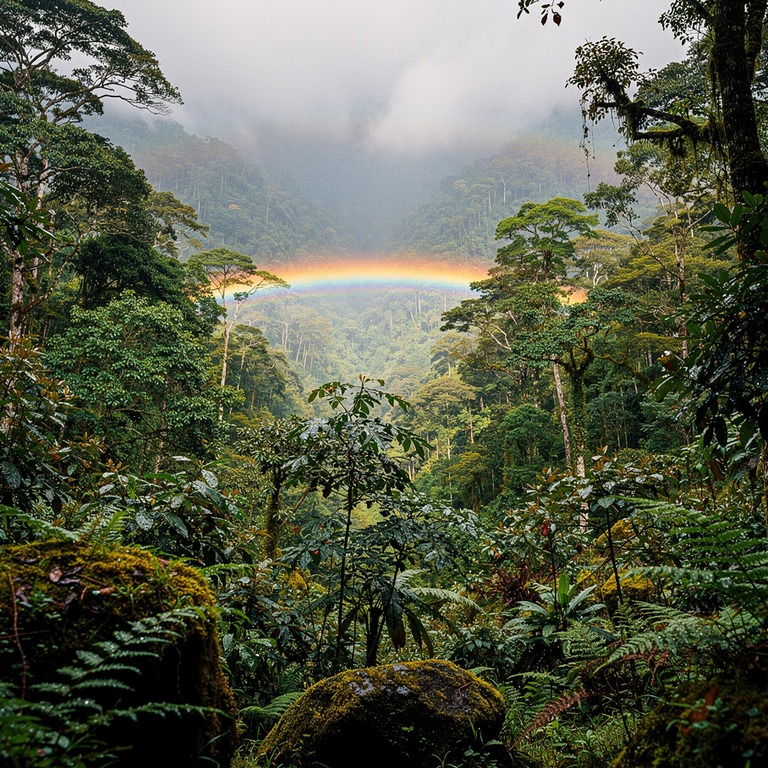
You arrive at the ceremony space usually just before sunset. The facilitators will have set up mats, buckets (we'll get to those), blankets, pillows. There's often a central altar with candles, flowers, mapacho, maybe crystals or feathers if the lineage leans that way. The lighting is dim. People are quiet. There's a sense of weight in the room — not heaviness exactly, but focus.
You'll be shown to your spot. You stay there for the whole night. Your bucket is next to you. That bucket matters more than you'd think.
The curandero will typically open the ceremony with prayers, sometimes in Quechua or Shipibo, sometimes in Spanish, sometimes in whatever shared language makes sense. Then, one by one, participants are called forward to receive their cup. The brew tastes — there's no polite way to say this — like something that has been fermenting in a tree for a decade. Bitter, thick, earthy, with a tang that lingers for hours. Most first-timers gag. That's normal.
You walk back to your mat. You lie down or sit up. You wait. Usually somewhere between twenty and sixty minutes, something begins to shift.
What the Ceremony Feels Like From the Inside
I want to be careful here, because this is where most writing gets useless. Nobody can tell you what your ceremony will feel like. What I can tell you is the range of common experiences, so you're not blindsided.
The onset often starts with what people call “the opening” — a sense of pressure or energy moving through the body, geometric patterns behind the eyes, a dramatic sharpening of sound. The icaros begin, and the curandero sings for hours. The singing isn't entertainment. In the Shipibo tradition especially, icaros are considered the actual mechanism of healing — songs that shape and direct the medicine's work in each participant.
From there, things diverge wildly. Some people have visionary experiences: landscapes, beings, geometric architectures, memories replaying from unexpected angles. Some have a quiet, body-based night with very little visual content but strong emotional release. Some meet grief they'd buried for twenty years. Some laugh for an hour straight. Some spend most of the night curled around their bucket — which is called la purga, the purge, and is considered a central part of the healing, not a side effect. Vomiting, crying, trembling, diarrhea, cold sweats: all of it falls under purga, and all of it is treated as the medicine doing its job.
Here's the thing nobody emphasizes enough: it is often not fun. Ayahuasca is not a recreational psychedelic. People seeking plant medicine for addiction, depression, or trauma often describe the ceremony as some of the hardest hours of their lives — and also, later, as the most valuable. Those two things are not in contradiction.
How Long Does It Last? And What About the Morning After?
The acute effects usually last four to six hours. Some retreats offer a second cup around the halfway point for those who want to go deeper. The ceremony formally closes when the curandero decides the room is settling — often around 2 or 3 a.m. You sleep where you are, or stumble back to your tambo (small jungle cabin) if you can.
The next morning is strange. You're tired, raw, sometimes emotionally wrung out, sometimes oddly peaceful. Breakfast is light — plantain, rice, maybe fish. Then usually a group integration circle where participants share what came up, if they want to. You don't have to talk. Some of the most profound sits I've witnessed, the person said two sentences and spent the rest of the session listening.
Most retreats run three to five ceremonies over a week or ten days. The spaces between ceremonies are as important as the ceremonies themselves. You rest, you walk, you sit with what came up, you talk to facilitators. Good retreats build in real integration time. Sketchy ones pack ceremonies back to back and hustle you out the door.
How to Tell a Good Retreat From a Bad One
This is where I get opinionated, because the gap between the top and the bottom of the ayahuasca retreat world is enormous, and some of the bad ones are genuinely dangerous. If you're researching your first retreat, look for:
- Medical screening before you book. Any retreat that doesn't ask about your medications, mental health history, and cardiovascular health should be an immediate no.
- A lineage, not just a vibe. Who trained the facilitators? How long? In what tradition? Vague answers are a red flag.
- Small group sizes. Twelve participants with one curandero is a lot. Six or eight with two facilitators is safer.
- Real integration support. Not just a goodbye hug on the last morning. Follow-up sessions, ideally.
- Honesty about risks. If the website talks only about transformation and never about challenging experiences, they're selling, not teaching.
Cost ranges widely. A reputable week-long retreat in Peru typically runs between $1,500 and $4,000, including lodging, food, ceremonies, and integration support. Anything much cheaper, be cautious. Anything much more expensive, make sure you're paying for substance (medical staff, long integration, experienced facilitators) and not just luxury finishes on the cabin.
Is Ayahuasca Right for You?
I won't tell you. Nobody honest will. What I'll say is that ayahuasca has helped a remarkable number of people with addiction recovery, treatment-resistant depression, PTSD, and the kind of stuck patterns that years of therapy sometimes can't move. It has also deeply destabilized people who went in unprepared, with the wrong facilitators, or with underlying conditions that made the brew medically unsafe. Both of those things are true at the same time.
Spend real time with the decision. Talk to people who've sat. Talk to a therapist who's familiar with psychedelic work. Get the medical screening done. Choose a retreat the way you'd choose a surgeon, not the way you'd choose a vacation.
If something in this piece has you leaning in rather than away, a range of carefully vetted ayahuasca retreats can be browsed on our marketplace here. Take your time with it. The ceremony will still be there when you're ready.
Craving More Stories?
Get your free guide on how to choose a psychedelic retreat, plus upcoming retreats and new reading every two weeks.
We value your privacy. Your email address will never be shared or published.