 English
 Deutsch
 Français
 Nederlands
 Español
SHOP AYAHUASCA RETREATS BLOG
Ayahuasca and Sexual Abstinence: Why the Dieta Asks You to Pause

Fiona Holloway
November 2, 2026
Your ultimate guide to discover transforming ayahuasca and psychedelic experiences. Dive into serene destinations and elevate your consciousness to unparalled heights.
Discover Ayahuasca & Psychedelic Retreats NowSearch for ayahuasca & psychedelic retreats
Discover retreats, trainings, and holidays from all over the world
Somewhere between booking an ayahuasca retreat and actually boarding the plane, most people stumble onto a line in the preparation guide that gives them pause: no sex, no masturbation, usually for a week or two before and after the ceremony. For a lot of first-timers this is where the eyebrow goes up. Really? What does the vine care about my private life?
It's a fair question, and one that doesn't get discussed openly nearly enough. Facilitators mention it in passing. Retreat websites list it alongside dietary restrictions as though it's self-explanatory. It isn't. If you're considering an ayahuasca ceremony — especially if you're coming to plant medicine for addiction, depression, or trauma work — understanding why this rule exists matters. It isn't superstition and it isn't prudishness. It's technique.
What the Traditional Dieta Actually Asks For
The dieta is the Amazonian preparation protocol that surrounds work with master plants. Most Westerners know the food side of it — no pork, no spicy food, no alcohol, no fermented things, limited salt and sugar. Fewer realize that sexual abstinence sits inside the same framework. In the Shipibo tradition and in most mestizo shamanic lineages, abstaining from sexual activity (partnered or solo) is treated as non-negotiable for anyone sitting with ayahuasca seriously.
The standard window is roughly three days to two weeks before ceremony, continuing through the retreat itself, and then another three days to two weeks after. Some lineages are stricter. A traditional maestro doing a long plant diet might abstain for months. The point is that this isn't a vague suggestion — it's part of the architecture of the work.
You'll hear different explanations depending on who you ask. The shaman will likely frame it energetically. A Western integration therapist will frame it psychologically. A biochemist might shrug and say it's probably about dopamine. All three are pointing at something real.
The Energetic Explanation
In Amazonian shamanic cosmology, sexual energy is not casual. It's considered one of the strongest forces a person carries, and it's thought to interact directly with the subtle energy that plant medicines open you to. Shamans will say that sexual activity disperses or scatters the energy they're trying to help you gather and concentrate during ceremony. Think of the dieta as a battery charge. You're building up a reserve the plants can then work with.
There's also a protective angle. Traditional shamans speak of sexual energy as a channel through which other energies — including heavy or intrusive ones — can move between people. Abstaining is seen as closing a door while you're in a vulnerable, porous state. Whether or not you buy the metaphysical framing, the lived experience most retreat guests report is that ceremony leaves you unusually open for days afterward. Treating that openness with some care is sensible either way.
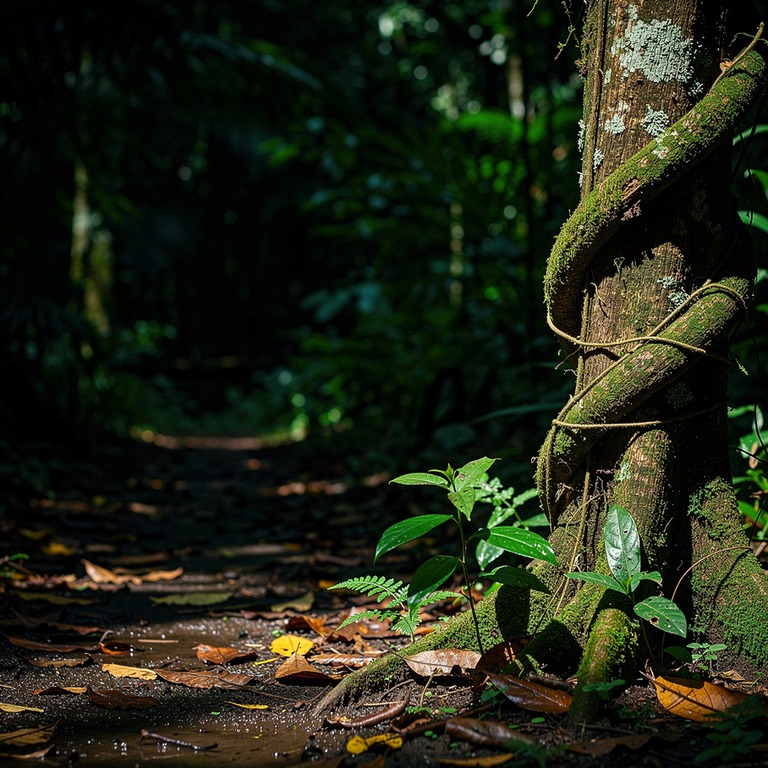
Why Does Ayahuasca Preparation Forbid Sex and Masturbation?
Here's the practical answer, stripped of mysticism. Ayahuasca ceremonies ask a lot of your nervous system. The brew works on serotonin, dopamine, and the deeper limbic circuitry that governs how you process emotion, memory, and reward. Sexual activity — particularly orgasm — also runs through those same reward and neurochemical pathways. The traditions figured out, long before anyone could name the neurotransmitters involved, that mixing these two forms of intense neurochemical activity blunts the ceremony's effect.
In plainer language: orgasm releases a flood of dopamine, prolactin, oxytocin. These shift your baseline. If you're trying to go into ceremony with a clear, slightly hungry nervous system — the state the plants seem to prefer — you don't want to have just given yourself a chemical reset. Participants who break the abstinence rule often report thinner, less coherent ceremonies. The medicine still comes. It just doesn't land as deep.
There's also an attention dimension. The dieta, taken as a whole, is a way of narrowing your focus for a period of time. You eat blandly. You sleep more. You stop scrolling. You stop seeking stimulation. Sexual self-stimulation is, among other things, one of the strongest forms of daily stimulation most of us engage in. Dropping it concentrates attention in a way that most people only notice in retrospect.
What About After Ceremony?
The post-ceremony window matters at least as much as the preparation window, and often gets less airtime. In the week or two after you sit with ayahuasca, you're integrating — your brain is still consolidating what moved through it, your emotions are closer to the surface, and insights that feel obvious one morning can slip away by the next if you don't give them space.
Sex in this window isn't dangerous. But it is distracting, in exactly the way a loud bar is distracting if you're trying to remember a dream. Several facilitators I've spoken with describe the post-ceremony period as a soft-set concrete — the shape you give your life in those first two weeks matters disproportionately. Rushing back to intense sexual activity, especially with a new partner or in a casual context, tends to short-circuit integration. People report the ceremony fading faster, the insights blurring, the old patterns reasserting themselves sooner.
If you're in a committed partnership, most facilitators will tell you that gentle intimacy — holding, lying together, non-sexual touch — is usually fine and sometimes helpful. The hard line is around orgasm and the neurochemical reset it brings. Give yourself a few days. Longer if you can.
What Actually Happens If You Break the Rule
Let's be honest: people do break it. Not usually out of defiance, more out of habit or stress relief. Here's what tends to happen, in no particular order:
- The ceremony feels muted or scattered compared to what others in the group describe.
- Physical purging is sometimes harder, as though the body is working through extra noise.
- Integration insights come but don't stick — you wake up a week later and the clarity has evaporated.
- In rare cases, participants report feeling physically unwell during the ceremony in ways that improve dramatically on the second night, after a day of enforced abstinence.
None of this is punishment. The plants aren't keeping score. It's more like showing up to a demanding workout dehydrated — you can still do it, but you won't get what you came for. And if you're spending real money and real time on a retreat because you're trying to shift something significant in your life, that's a trade worth taking seriously.
How to Actually Do It
Two weeks without sexual activity sounds trivial on paper and turns out to be surprisingly revealing in practice. A few honest observations from people who've done this preparation well:
- Notice the urge, don't fight it. Most of us use sexual self-stimulation as a stress regulator without realizing it. When you remove the option, you start to see which emotions you were quietly managing. That's useful information to bring into ceremony.
- Tell your partner. If you share a bed with someone, explain the dieta before you start it, not three days in. Partners who understand what you're doing tend to be supportive. Partners who are blindsided tend to feel rejected.
- Replace, don't just subtract. Walks, cold water, journaling, early sleep. The dieta works better when you fill the space with something quieter rather than just white-knuckling an absence.
- Watch for the sneaky workarounds. Pornography without orgasm, intense flirting, erotic daydreaming on loop — the tradition would consider all of this part of what you're meant to be stepping back from. The spirit of the practice matters more than the letter.
The Bigger Point
The sex rule in ayahuasca preparation isn't an isolated quirk. It's one piece of a much older understanding that the brew works best when you arrive clean, concentrated, and a little bit hungry — physically, emotionally, and energetically. The dieta is the ceremony's quiet first half. By the time you drink, you've already done most of the work; the vine just shows you what's there.
If you're seriously considering a retreat, treat the preparation protocol as part of what you're paying for, not as an inconvenient add-on. The retreats that insist on it tend to be the ones taking the medicine seriously. The ones that wave it away as optional often turn out to cut other corners too — worth remembering when you're deciding where to sit.
For readers wanting to go further with this, a range of carefully vetted ayahuasca retreats with clear preparation protocols can be browsed on our marketplace here. Whatever you choose, go in prepared. The plants reward it.
Craving More Stories?
Get your free guide on how to choose a psychedelic retreat, plus upcoming retreats and new reading every two weeks.
We value your privacy. Your email address will never be shared or published.